
By using our website, you agree to the use of cookies as described in our Cookie Policy
Mahi Fishing Charters Near Coconut Grove
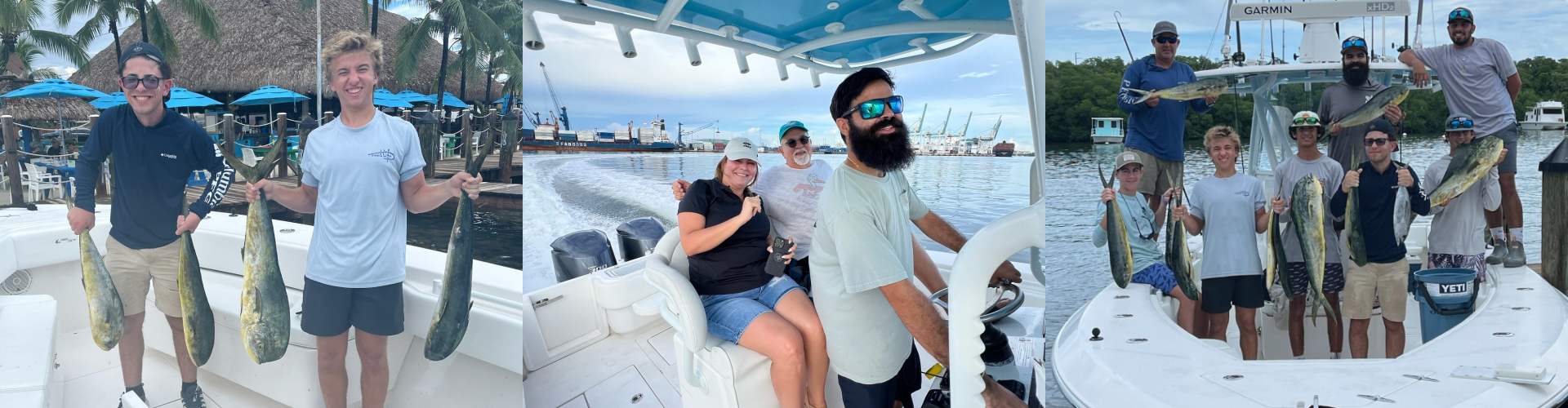
Mahi fishing near Coconut Grove isn't about waiting around. The run offshore is short, and the action starts fast. These fish hit hard, flash neon colors, and never give up once hooked. You get a real fight, not just a tug. The best part? They taste just as good as they look. Anglers come back for that rush, hooking into dolphin fish along weed lines and floating debris, right where the bite heats up.
For anglers coming from Coconut Grove, our mahi fishing charters are just a quick drive away. We clear the channel, spot the first weed line, and lines go in. Whether you've landed mahi before or you're new to offshore fishing, these trips are built for anyone who wants real action, not just a boat ride.
When We Target Mahi Near Coconut Grove
Every season brings its own tempo, but spring and early summer set the pace for mahi. Water warms up, weed lines drift closer, and schools of dolphin fish push through. April to June delivers the most consistent numbers and bigger bulls. Summer keeps the bite steady, with plenty of floating cover to check. As fall approaches, the action slows, but deeper lines and scattered debris still hold fish. Winter brings fewer dolphin, though a warm spell can flip the switch for a day or two. We track these shifts and plan trips around the best windows, so you're not guessing when to go.
- April Through June: Peak season with active schools and smooth runs offshore.
- July and August: Warm water and thick weed lines keep the bite going strong.
- September and October: Fewer fish, but deeper patches and debris can still pay off.
- November Through March: Slowest stretch, though the occasional warm front brings a surprise bite.
We keep an eye on conditions and let you know when the bite is on. Flexible dates help, but we'll always steer you toward the best shot at a cooler full of mahi.
How We Find Productive Weed Lines
When floating sargassum and debris stack up offshore, mahi gather underneath. We scan for color changes, birds diving, and clusters of weed—those are the signs. Once we spot a promising patch, we slow down and work it hard. Some days, weed lines stretch for miles and the fish are stacked. Other days, you cover ground, checking scattered patches until you find the right one. Knowing where to look and when to move comes from years on these waters.
- Sargassum Weed Patches: Floating mats that pull in baitfish and draw dolphin fish looking for an easy meal.
- Current Breaks and Color Changes: Edges where blue water meets green or currents collide, often holding feeding fish.
- Floating Debris and Logs: Anything drifting offshore can turn into a hotspot with mahi circling below.
- Bird Activity: Diving birds signal bait at the surface and usually mean predators are close by.
We keep moving, checking every sign that looks promising. If a patch doesn't produce, we're on to the next. That's how you stay on fish when conditions shift throughout the day.
What We Use for Mahi Fishing
Light tackle keeps the fight fun and the action steady. Spinning rods in the 20 to 30-pound range handle mahi without feeling like overkill. Live pilchards, ballyhoo, or small tuna work well, but skirted jigs and poppers get plenty of bites too. Mahi chase movement and flash, so we keep lures moving and switch up tactics if the bite slows. When one fish comes to the boat, others often follow, keeping a hooked mahi in the water draws the school close and lets everyone get in on the action. We supply all the gear, so you just show up ready to fish.
Other Fish We Catch Offshore
While mahi are the main target, the weed lines hold more than just dolphin fish. Blackfin tuna, bonito, and the occasional wahoo cruise the same waters. Sometimes a king mackerel or sailfish shows up, especially when bait is thick. We don't pass up these chances. If birds are working over tuna or a floating pallet holds bigger fish, we make the call to check it out. Offshore fishing is about adapting. One moment you're chasing mahi, the next you're hooked into something unexpected. For anglers from Coconut Grove, this variety is part of what makes every trip worth the drive.
- Blackfin Tuna: Hard fighters that show up near the same structure as mahi.
- Bonito: Aggressive and quick to hit, adding variety to the catch.
- Wahoo: Less common but always a welcome surprise around deeper weed lines.
- Sailfish: Show up when bait is thick and conditions line up just right.
Every trip brings a different mix. Some days it's all mahi, other days you're filling the box with a variety of offshore species.
How We Make Your Offshore Trip Work for You
With a private charter, you set the pace. Some groups want to chase schools and cover ground, others prefer to settle in and work a productive patch. We adjust to your style, whether you're after non-stop action or a relaxed day on the water. Bring sunscreen, a hat, and plenty of water—the sun reflects off the ocean, and even cloudy days can catch you off guard. We handle everything else: rods, bait, ice, and cleaning. If you're bringing kids or first-timers, we walk them through every step and make sure they're comfortable with the gear. Trips run four, six, or eight hours, so you can pick what fits your group best. Half-days are perfect for families or anyone new to offshore fishing, while full days give you more range and more chances to stay on the fish. Anglers from Coconut Grove appreciate the easy access to quality offshore fishing without a long commute.
Let's Get You on the Water
Dolphin fish are biting, and the best way to catch them is with a crew that knows where to look and how to stay on top of moving schools. For anglers near Coconut Grove looking for mahi fishing charters, we're ready when you are. Call Sea Toes Charters at 305-962-4014 or visit https://www.seatoescharters.com/book-now to lock in your trip.