
By using our website, you agree to the use of cookies as described in our Cookie Policy
Mahi Fishing Charters Near Key Biscayne, FL
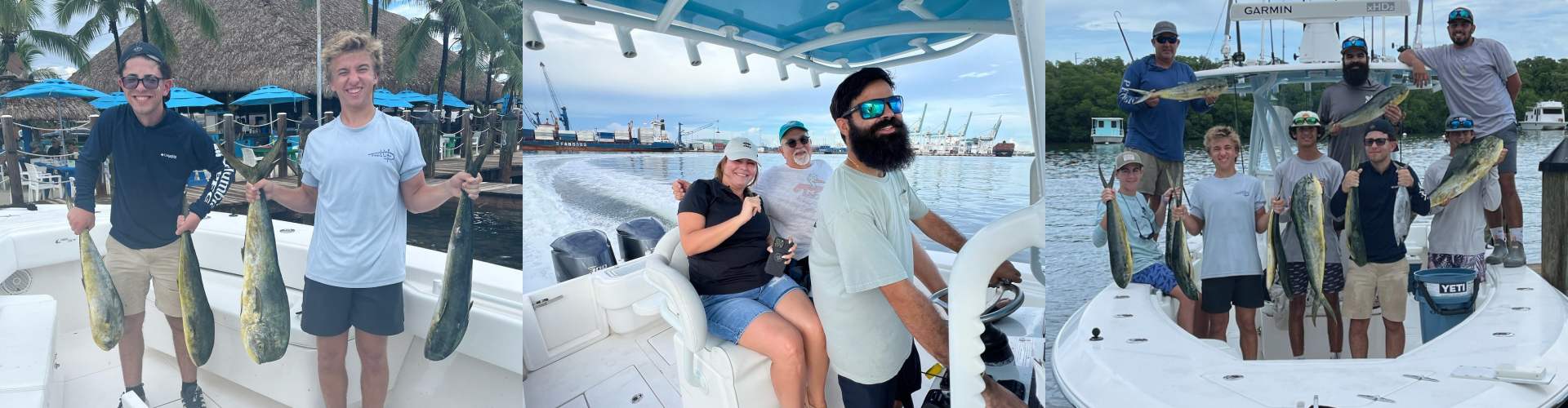
Mahi fishing off Key Biscayne delivers a rush that never gets old. The moment a mahi hits, you feel it—hard runs, wild jumps, and those unmistakable flashes of color. These fish show up in force during the right seasons, and the offshore grounds here put you right where the action happens. Whether you call them mahi, dolphin, or dorado, the excitement is real the second your line comes tight.
Why Our Charters Put You on Mahi Fast
Offshore runs from Key Biscayne don’t waste time. The Gulf Stream sweeps close to shore, so you’re fishing productive water within minutes, not hours. Our crews know these grounds inside out, tracking where bait gathers and where mahi hunt. Instead of chasing rumors, we focus on proven zones. Places where floating debris and current edges funnel fish right to us. Every trip is built around reading the water, moving with the fish, and making every minute count.
How We Time Trips for Peak Mahi Action
When the water warms up in spring, mahi start pushing closer to shore, chasing bait and riding the currents north. Summer brings the most consistent numbers, with bigger fish showing up and feeding hard. As fall arrives, the bite shifts offshore, but those willing to run can still find quality fish. Winter slows things down, though a warm spell can flip the switch and bring a surprise flurry of bites. We plan trips around these shifts, using real-time conditions and years of experience to put you in the right spot at the right time.
- Spring Migration: Mahi move in as water temperatures climb, following bait and offering steady action nearshore.
- Summer Peak: Larger fish and bigger schools show up, making for fast-paced trips and plenty of chances at trophies.
- Fall Transition: Fish push deeper, but the right run offshore still produces strong catches for those who go the distance.
- Winter Slowdown: Fewer fish stick around, but a break in the weather can bring a quick window of opportunity.
Locating Mahi Where They Feed
When floating weed lines and debris drift through the blue water, mahi stack up underneath. These aren’t random patches. They’re magnets for bait, and where there’s bait, mahi aren’t far behind. Our crews scan for sargassum mats, wooden pallets, and even stray buoys, knowing each one can hold a school. Spotting birds working the surface or finding a sharp color change in the water often leads straight to the fish.
- Weed Lines: Sargassum mats stretch for miles, creating feeding lanes where mahi cruise and ambush prey.
- Floating Debris: Anything drifting—logs, crates, or buoys—becomes a gathering point for bait and predators alike.
- Current Edges: Where blue water meets green, bait piles up and mahi follow.
- Birds Working: Diving frigate birds and terns signal baitfish activity and usually mean mahi are close by.
Methods We Use to Keep Rods Bent
Every day brings something different, so we stay flexible. Some mornings, trolling lures behind the boat draws fast strikes from cruising mahi. Other times, pitching live bait near floating structure triggers explosive surface bites. When fish are visible, sight casting with light tackle turns the trip into a visual game. If the bite slows, chunking cut bait creates a scent trail that brings fish right to the boat. We switch tactics as needed, always watching how the fish react and adjusting on the fly.
- Trolling: Lures and rigged baits cover ground and tempt hungry mahi on the move.
- Live Baiting: Tossing live pilchards or goggle eyes near structure often sparks aggressive surface hits.
- Chunking: Chumming with cut bait draws fish in and keeps them around the boat.
- Sight Casting: When mahi show themselves, casting directly to them delivers instant action.
Setting Up Your Trip for the Best Experience
Before lines go in, we talk through your goals and experience. Some anglers want hands-on coaching, learning how to fight fish and handle gear. Others come ready to fish hard from the first drop. Letting us know what you want—whether it’s filling the cooler, chasing a trophy, or just enjoying the ride—helps us shape the day. We’re ready for first-timers and seasoned pros alike, and we make sure everyone gets the trip they’re after.
What Happens After the Catch
Bringing mahi back to the dock is only part of the story. These fish are prized for their taste, and most clients want to take fillets home. We handle the details, from following Florida’s size and bag limits to cleaning and packing your catch for the ride home. If you want to release fish after a quick photo, that’s fine too. Just let us know before we start. Either way, you leave with fresh fillets or great memories, depending on your preference.
- Size Limits: We follow Florida’s minimum size rules to keep the fishery healthy and legal.
- Bag Limits: Each angler has a daily limit, and we track the count so you know what’s coming home.
- Cleaning Options: We can fillet your catch at the dock or point you to a local cleaning station if you prefer whole fish.
- Storage Tips: Fillets go straight on ice, keeping them fresh until you’re ready to cook.
Your Next Mahi Trip Starts With One Call
Offshore waters near Key Biscayne hold some of the best mahi fishing in South Florida. From reading weed lines to adjusting methods on the fly, every trip brings something different. Call Sea Toes Charters at 305-962-4014 or visit https://www.seatoescharters.com/book-now to lock in your date.