



By using our website, you agree to the use of cookies as described in our Cookie Policy
Reef Fishing Trips in Key Biscayne for Snapper Season
Most anglers think snapper season is just about showing up with a rod. Drop a line, pull up fish, call it a day. But the reefs off Key Biscayne tell a different story — and if you're not paying attention, you're missing the best part. These waters don't just hold snapper. They hold structure, current, timing, and opportunity. And if you want to make the most of it, you need more than luck.
So here's what matters. The reefs are close, the season is real, and the fish are there. But every trip should be planned with intention. Every bait choice has a reason. And every decision — from when you leave the dock to how you work the bottom — should be grounded in what the water's telling you, not just what looked good on Instagram.
The Reefs Hold More Than You Think
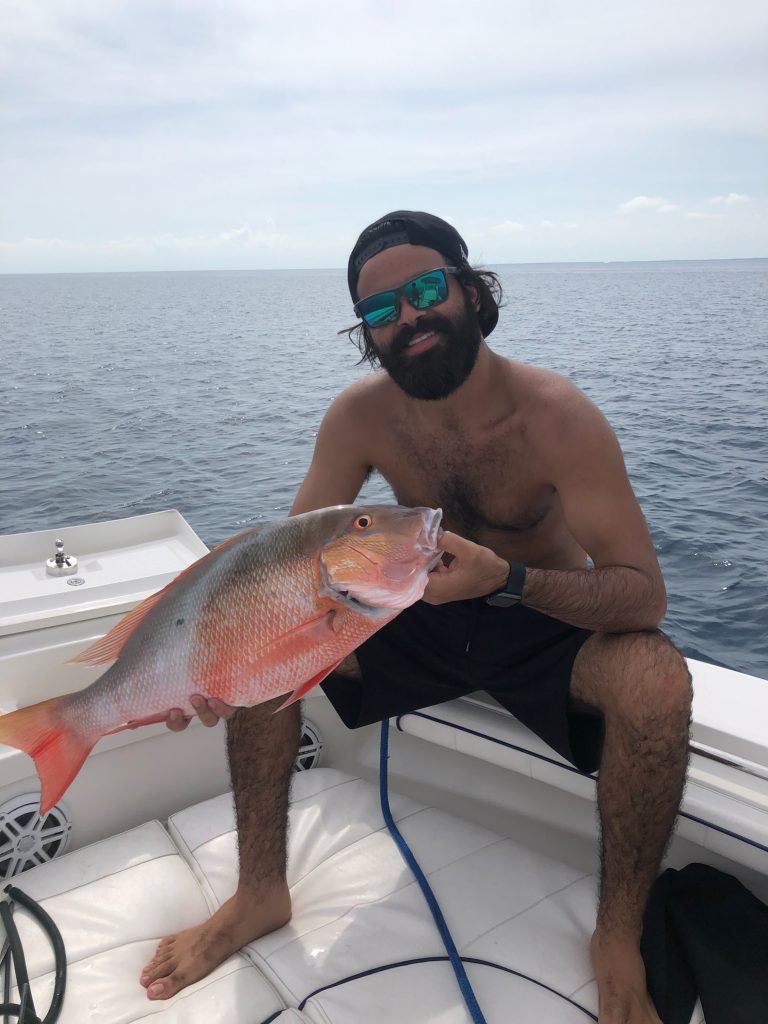
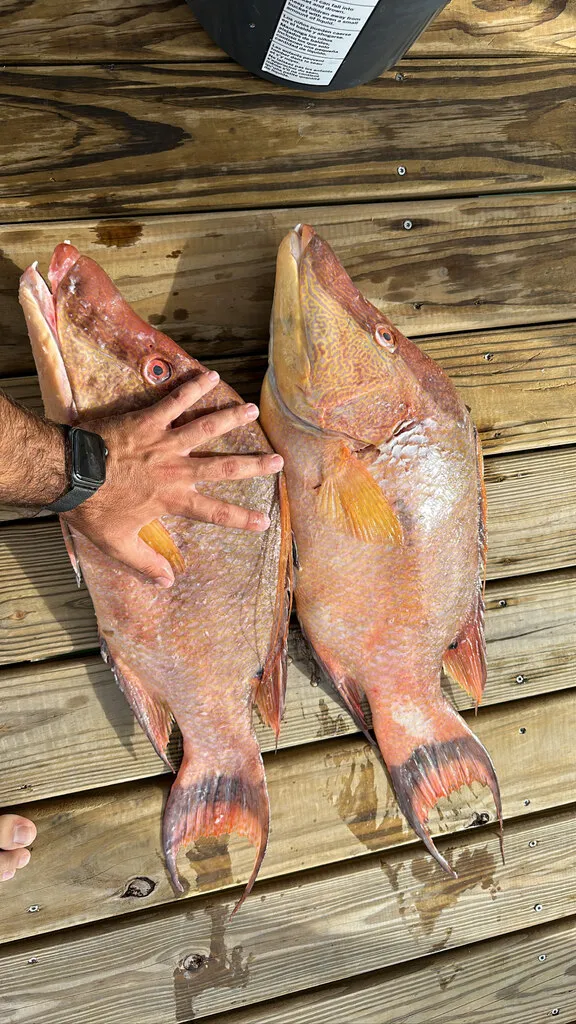
Key Biscayne sits on top of some of the most productive reef systems in South Florida. Mangrove snapper, mutton snapper, yellowtail — they're all stacked up around the same coral heads and ledges that provide cover and feeding zones. The structure creates ambush points. The current brings baitfish. And when conditions align, the bite can be relentless.
What makes this spot different is proximity. We're talking minutes from the marina to active reefs. No long runs. No wasted fuel. You're fishing while other boats are still clearing the channel. That means more time on the water and more shots at quality fish. The reefs aren't a secret, but knowing which ones fire during which tides? That's where local fishing knowledge separates a good day from a great one.
What a Real Trip Looks Like
Reef trips out of Key Biscayne typically run anywhere from four to eight hours, depending on what you're after. Most charters supply everything — rods, reels, terminal tackle, bait, ice. You show up ready to fish, not ready to rig. The crew will position the boat over structure, set the drift or anchor, and walk you through the setup.
Snapper don't require finesse, but they do require focus. You're fishing the bottom with live pilchards, cut bait, or small jigs. The bite comes fast. The fight is solid. And if you're not paying attention to your drag or your hook set, you'll lose fish in the rocks. Along the way, you might pull up porgies, grunts, grouper, or even a surprise kingfish if you're drifting the edges. Every drop is a gamble, and that's the appeal.
Timing the Bite Right
Snapper season peaks between late spring and early fall, roughly May through September. Water temps climb, baitfish move in, and snapper stack up on the reefs in numbers that make every cast count. Early morning and late afternoon are prime windows — cooler air, better light angles, and more aggressive feeding behavior.
But don't sleep on the tides. Moving water triggers feeding. Slack tide can slow things down fast. If you're booking a trip, ask your captain about tide timing. A charter that launches at first light on an outgoing tide is going to outperform one that leaves at noon during slack. Understanding the best fishing times is not complicated, but it's the difference between limits and excuses.
Mistakes That Cost You Fish
- Using stale bait: Snapper want fresh. If your pilchards are limp or your squid smells like last week, you're starting behind.
- Ignoring the crew: They know the bottom. They know the current. They know what's working today. Listen.
- Setting the hook too early: Snapper nibble before they commit. Wait for the load, then drive it home.
- Fishing too light: You're over structure. If your leader is too thin or your weight too small, you'll lose fish in the coral every time.
- Forgetting the regulations: Size limits and bag limits exist for a reason. Know them before you keep anything.
Gear That Actually Matters
Most charters provide rods and reels, but if you're bringing your own, go medium-heavy with a solid drag system. Snapper pull hard and head straight for cover. You need enough backbone to turn them before they cut you off. Pair that with 20- to 30-pound braid and a 30- to 40-pound fluorocarbon leader.
For terminal tackle, circle hooks in the 2/0 to 4/0 range work well for live bait. If you're jigging, small bucktails or soft plastics in white, pink, or chartreuse get attention. Add enough weight to stay vertical in the current — usually 1 to 3 ounces depending on depth and drift speed. It's not fancy, but it's effective.
What to Pack Before You Leave
- Sunscreen that won't wash off in five minutes
- Polarized sunglasses to cut glare and spot fish near the surface
- A hat with a brim that actually covers your face
- Water and snacks unless the charter provides them
- A small cooler if you're keeping fish and want them on ice immediately
Bringing the Family Without the Chaos
Reef fishing is one of the few offshore experiences that works for kids and beginners. The water's relatively calm. The action is steady. And the learning curve is manageable. Most captains are happy to teach, adjust techniques, and keep younger anglers engaged without turning the trip into a babysitting gig.
If you're booking for a mixed group, communicate that upfront. A good crew will adjust the pace, offer help with rigging, and make sure everyone gets time on the rod. It's not a competition — it's a shared experience. And when a kid lands their first mutton snapper, the energy on the boat shifts. For more guidance on fishing with kids, that's the part people remember.
Why Local Charters Know More
Anyone can run a boat to a reef and drop bait. But the captains who fish Key Biscayne year-round know which spots produce during which moon phases, which baits work on which tides, and how to adjust when conditions change. They're not guessing. They're reading the water.
We've seen it play out over and over. A charter that looks identical on paper can deliver completely different results based on who's running it. Experience matters. Local knowledge matters. And when you're paying for a trip, you want someone who's been there enough times to know what works when the textbook answer doesn't. When considering choosing a fishing charter, these factors make all the difference.
Conservation Isn't Optional
- Measure every fish before you keep it
- Release undersized or out-of-season species quickly and carefully
- Use circle hooks to reduce gut hooking
- Don't high-grade your catch — keep what you'll eat, release the rest
- Respect bag limits even if the bite is hot
Booking Smart
Snapper season is busy. Weekends and holidays fill up fast, especially with the better captains. If you're planning a trip, book at least a few weeks out. Ask about group size, trip length, what's included, and whether they'll clean your catch. Some charters offer filleting services. Others expect you to handle it yourself or take the fish to a local shop.
Also ask about cancellation policies. Weather changes fast in South Florida. A trip that looked perfect three days out can turn into a washout by morning. A good charter will work with you to reschedule rather than forcing you onto rough water or pocketing your deposit.
What Happens After the Bite
Once you've landed your snapper, the work isn't over. If you're keeping fish, get them on ice immediately. Snapper are excellent table fare, but only if they're handled right. Let them sit in the sun for an hour and you've wasted a great catch. Most charters have coolers and ice on board. Use them.
If you're not confident filleting, ask the crew or find a local fish cleaning service near the marina. Fresh snapper grilled with lime and butter is hard to beat. But it starts with proper care from the moment the fish hits the deck.
The Reefs Reward Preparation
Snapper season in Key Biscayne isn't a lottery. It's a calculated opportunity. The fish are there. The reefs are accessible. And the charters know how to put you on them. But showing up unprepared — with the wrong expectations, the wrong timing, or the wrong attitude — turns a great fishery into a frustrating day.
We've guided enough trips to know what separates anglers who limit out from those who spend the ride complaining. It's not luck. It's preparation, patience, and respect for the process. The reefs don't owe you anything. But if you show up ready, they'll deliver every time. To explore available fishing trips and start planning your next adventure, preparation is everything.
Let’s Make Your Snapper Season Unforgettable
We know the thrill of a perfect snapper bite and the satisfaction of a day well spent on the reefs. If you’re ready to experience Key Biscayne fishing at its best, let’s plan your trip together. Call us at 305-962-4014 or book now to secure your spot and get ready for a day on the water you won’t forget.
‹ Back
Recent Posts
-
How Weather Changes Fishing Trips in South Florida by Season
September 28, 2026
-
Can You Mix Reef Fishing & Mahi Fishing in South Florida?
September 14, 2026
-

-
Is Tuna Fishing in South Florida Better in Spring or Summer?
August 17, 2026
-
When Snapper Fishing in South Florida Starts Heating Up
August 3, 2026