



By using our website, you agree to the use of cookies as described in our Cookie Policy
What Summer Mahi Fishing in Key Biscayne Is Like
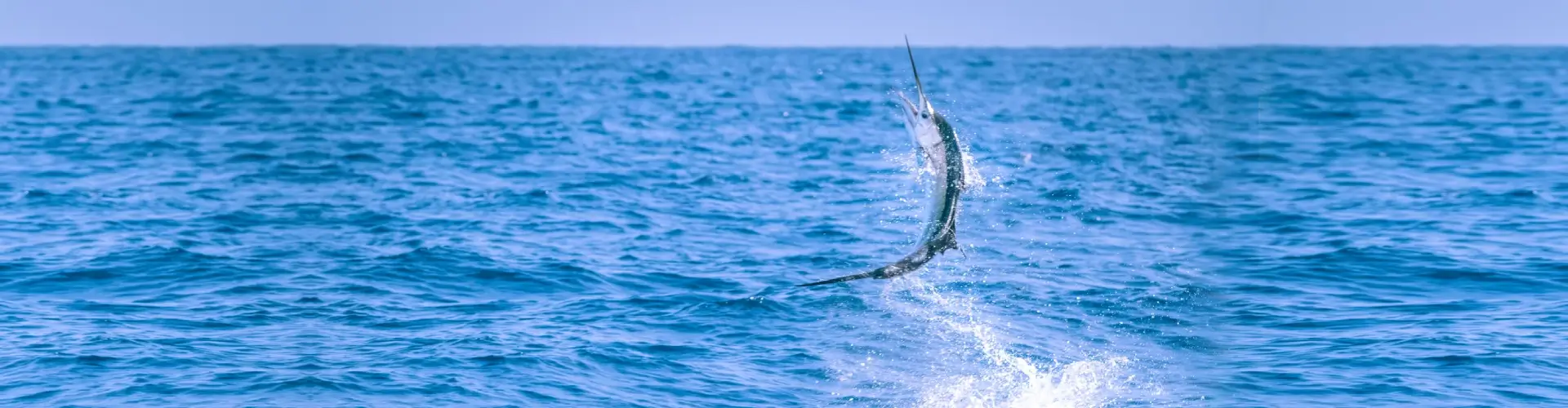
Most anglers think mahi fishing is just about showing up and casting. Bright colors, fast fights, done. But the Gulf Stream doesn't care about your optimism — and if you don't know where to look, you're burning fuel for nothing. Summer mahi runs may be legendary, but they don't announce themselves. Especially if you're skipping the signs or chasing yesterday's reports.
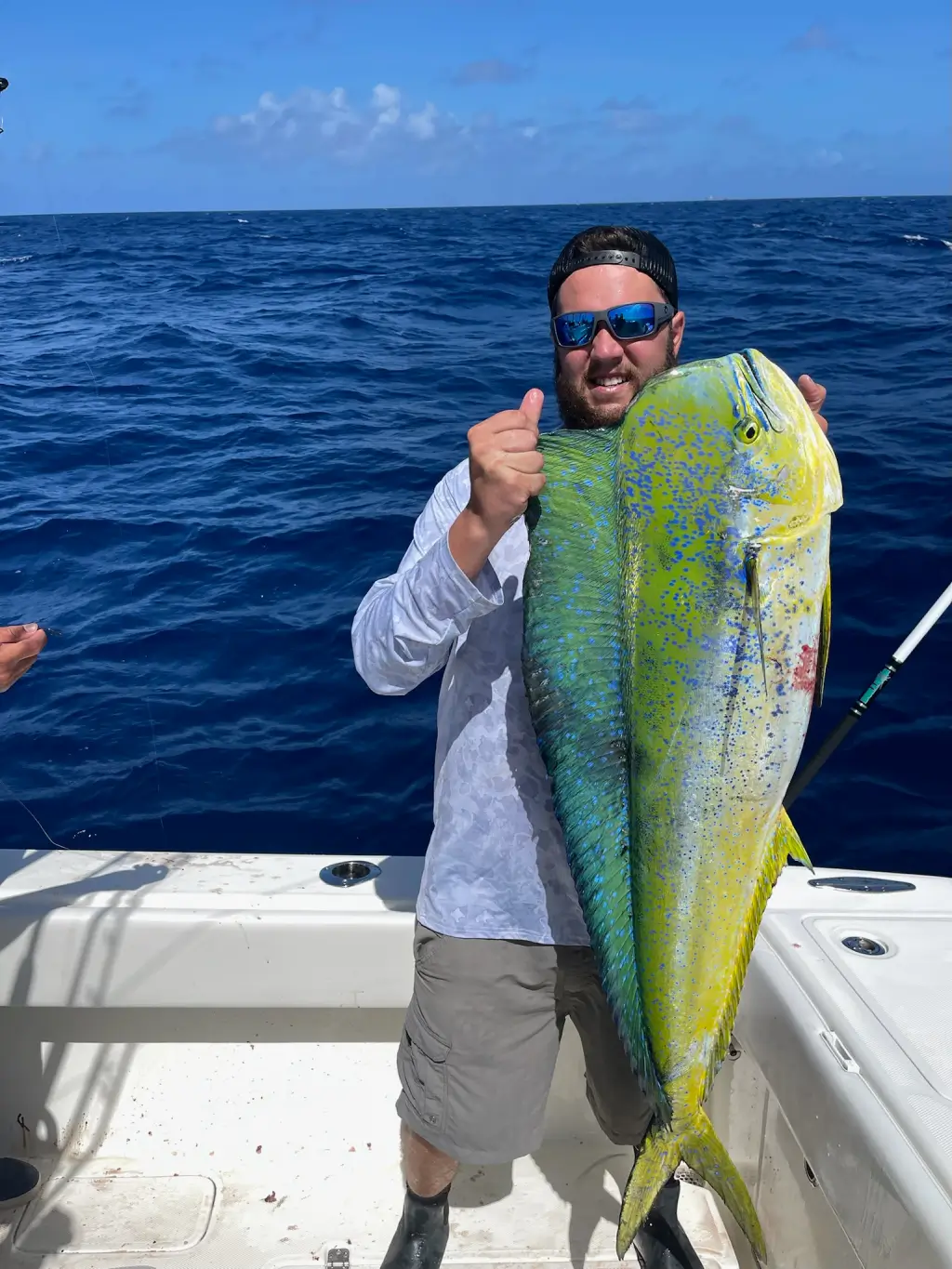
So here's the reality. If you're heading offshore to chase dorado, that's excellent. Just don't treat the ocean like a guarantee. Every weed line should be scanned. Every bird dive needs attention. And every hookup should be grounded in reading the water — not just hoping something swims by your spread.
The Current Brings Them Close
Nine times out of ten, summer mahi aren't miles offshore. The Gulf Stream pushes warm water toward the coast, and with it comes baitfish, floating debris, and hungry schools of dorado. Key Biscayne fishing spots sit right in that sweet spot where blue water meets structure, and that's where the action happens.
But if you're running blind? Different outcome. You can idle past a loaded weed patch and never know it was there. We've watched crews blow right through feeding zones because they didn't slow down or scan properly. The fish are there — you just have to see what the water's telling you.
What Actually Holds Fish
You can't just troll open water and expect results. Mahi stack up around floating cover, and summer brings plenty of it. The key is knowing what to target and how to work it once you find it.
Here's what matters most:
- Sargassum lines hold bait and attract schools looking for an easy meal
- Floating debris like pallets or logs create shade and draw curious dorado
- Bird activity signals diving baitfish and active predators below
- Current edges where blue water meets green often concentrate fish
- Temperature breaks show up on your sonar and mark feeding zones
The Bite Happens Fast
Want to land multiple fish? You'll need to keep them interested — and that means speed and strategy once the first one hits.
Mahi are aggressive, but they're also opportunistic. When one fish strikes, the rest of the school often follows the hooked fish to the boat. That's your window. Keep lines in the water, work the spread, and don't waste time celebrating until the cooler's full. Hesitate, and the school vanishes.
Gear That Handles the Fight
Mahi aren't subtle. They hit hard, jump high, and test your drag settings in seconds. If your setup isn't dialed in, you'll lose fish or worse — snap off mid-fight and spook the rest.
Here's what your tackle box should include:
- Medium-heavy spinning or conventional rods rated for 20–30 lb line
- Braided line for sensitivity and strength with a fluorocarbon leader
- Circle hooks if you're using live bait to improve hookup rates
- Brightly colored lures that mimic baitfish and trigger aggressive strikes
- A quality gaff for boating fish quickly without losing them at the rail
Live Bait Versus Artificials
Both work. Both have their place. But knowing when to switch can make or break your day, especially when the bite slows or the fish get picky.
Live pilchards or ballyhoo fished under a float will draw strikes when mahi are cruising shallow. Artificials let you cover more water and trigger reaction bites from aggressive fish. If you're marking schools but not getting hits, change your presentation. Don't just keep doing what isn't working.
Where Most Anglers Lose Fish
Setting the Hook Too Early
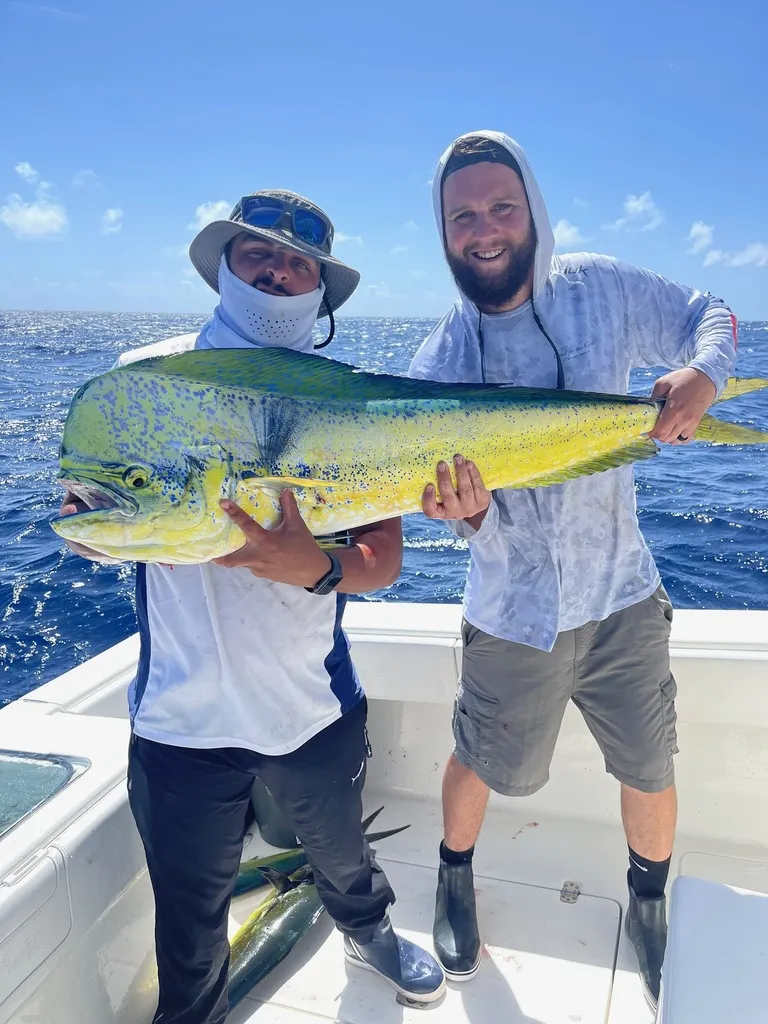
Mahi hit fast, but they also spit hooks just as quick if you yank too soon. Let them load up before you set. If you're using circle hooks, don't set at all — just reel tight and let the hook do the work. Rushing it costs you fish every single time.
Ignoring the Gaff
Don't try to lip a mahi or drag it over the rail by hand. Their teeth aren't sharp, but their thrashing will send hooks flying and lines tangling. A clean gaff shot behind the head ends the fight and keeps your deck safe. Miss the gaff, and you're asking for chaos.
Forgetting to Keep One in the Water
Once you boat a mahi, leave it in a livewell or toss it back on a tether if the school's still around. The other fish will stay near their hooked buddy, giving you more shots. Pull it out too soon, and the school scatters. This isn't a secret — it's basic mahi strategy.
What to Do With Your Catch
Mahi don't keep well in the heat. Bleed them immediately after landing, then pack them on ice. The meat spoils fast if you let it sit in the sun, and nobody wants to haul home a cooler full of mush.
Here's how to handle your haul:
- Bleed the fish right away by cutting the gills or tail
- Pack them in a cooler with plenty of ice to keep them cold
- Fillet them as soon as you're back at the dock for the freshest taste
- Vacuum seal portions if you're freezing to avoid freezer burn
When to Call a Charter
If your offshore experience is limited, or you don't have the right boat, a Key Biscayne fishing charter makes sense. Captains know the water, the patterns, and the gear. They'll put you on fish faster than trial and error ever will.
A good charter helps you:
- Find productive water without wasting hours searching blind
- Use the right tackle and techniques for current conditions
- Learn how to read the signs so you can do it yourself next time
- Stay safe offshore without guessing your way through navigation
Summer Runs With a Game Plan
Chasing mahi isn't the hard part. Finding them consistently — and capitalizing when you do — that's where anglers get humbled. There's no excuse for running past structure when the fish are stacked. But there's also no forgiveness when you ignore the basics and expect the ocean to hand you a limit.
Key Biscayne delivers some of the best summer fishing in Key Biscayne, but only if you show up prepared. The current's there. The fish are there. The question is whether you're ready to read the water, work the spread, and make it count when the bite turns on. For those looking to target top fish species in South Florida, understanding seasonal patterns is essential. If you want to maximize your success, consider booking an offshore fishing trip with experienced guides. You can also explore our mahi run and gun trips specifically designed for aggressive dorado action.
Let’s Get You on the Fish
We know what it takes to turn a good day on the water into a great one. If you’re ready to chase mahi with confidence and want a crew that knows every trick in the book, let’s make it happen together. Give us a call at 305-962-4014 or book now to lock in your next adventure offshore.
‹ Back
Recent Posts
-
How Weather Changes Fishing Trips in South Florida by Season
September 28, 2026
-
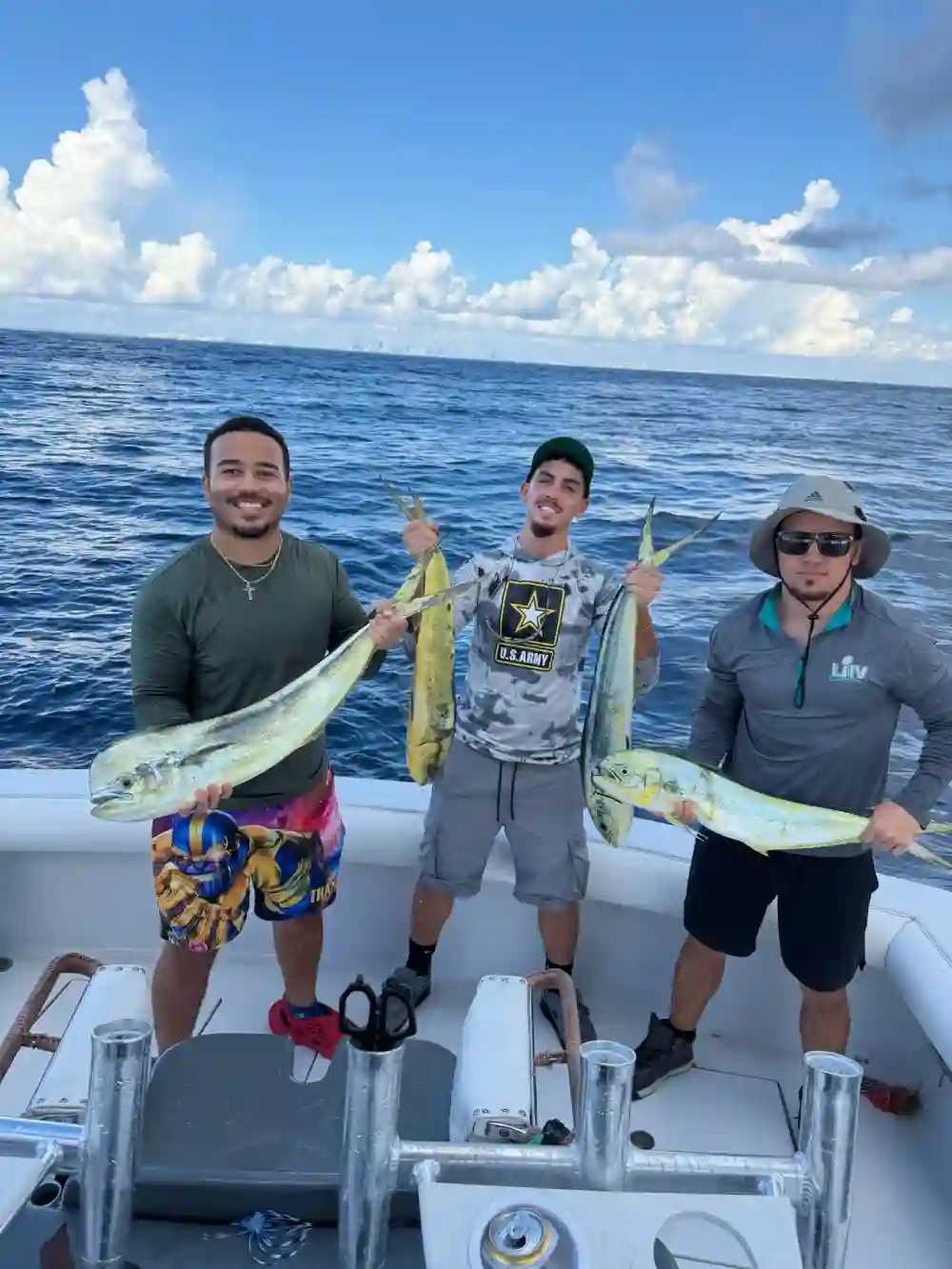
Can You Mix Reef Fishing & Mahi Fishing in South Florida?
September 14, 2026
-

-
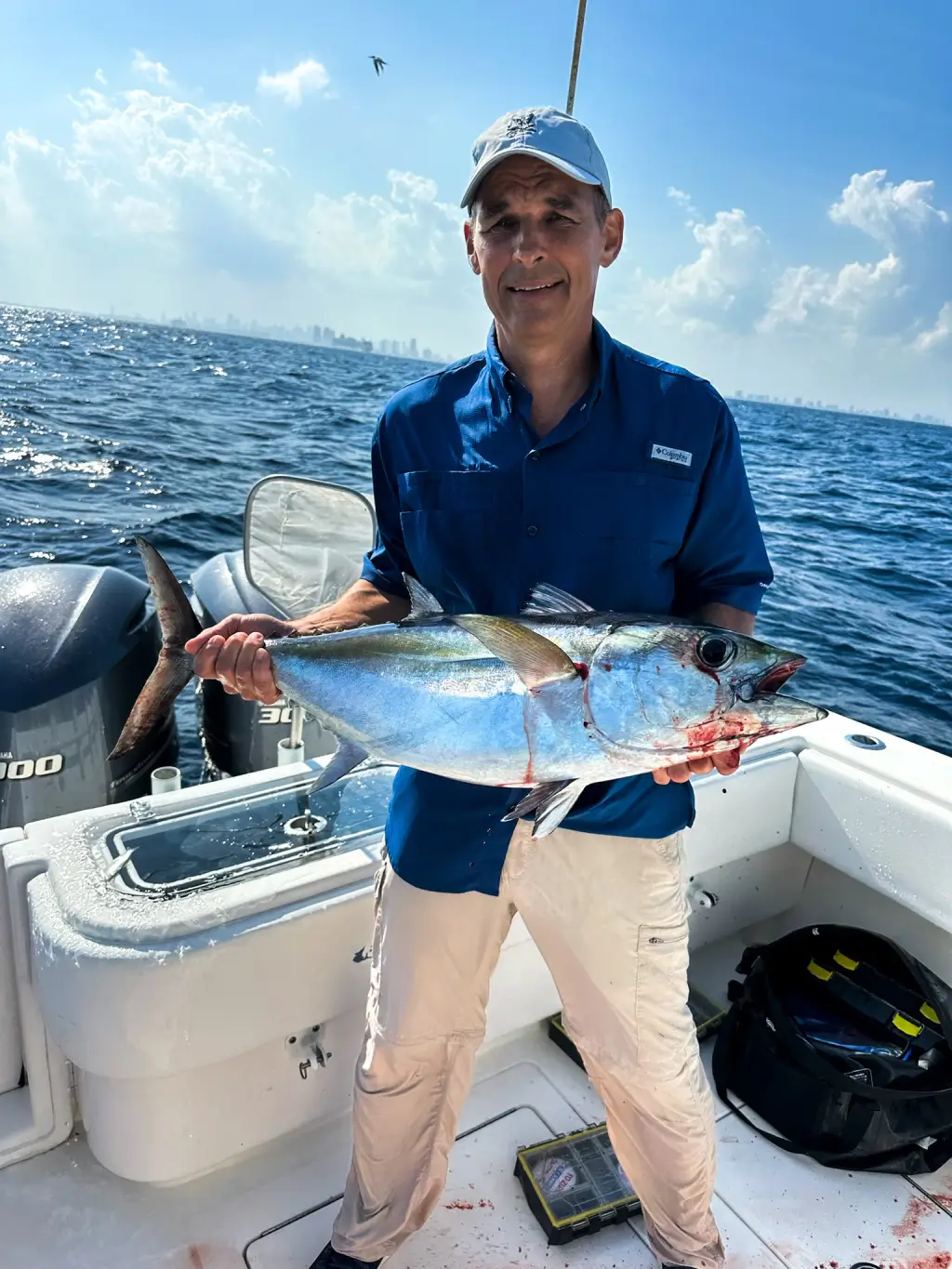
Is Tuna Fishing in South Florida Better in Spring or Summer?
August 17, 2026
-
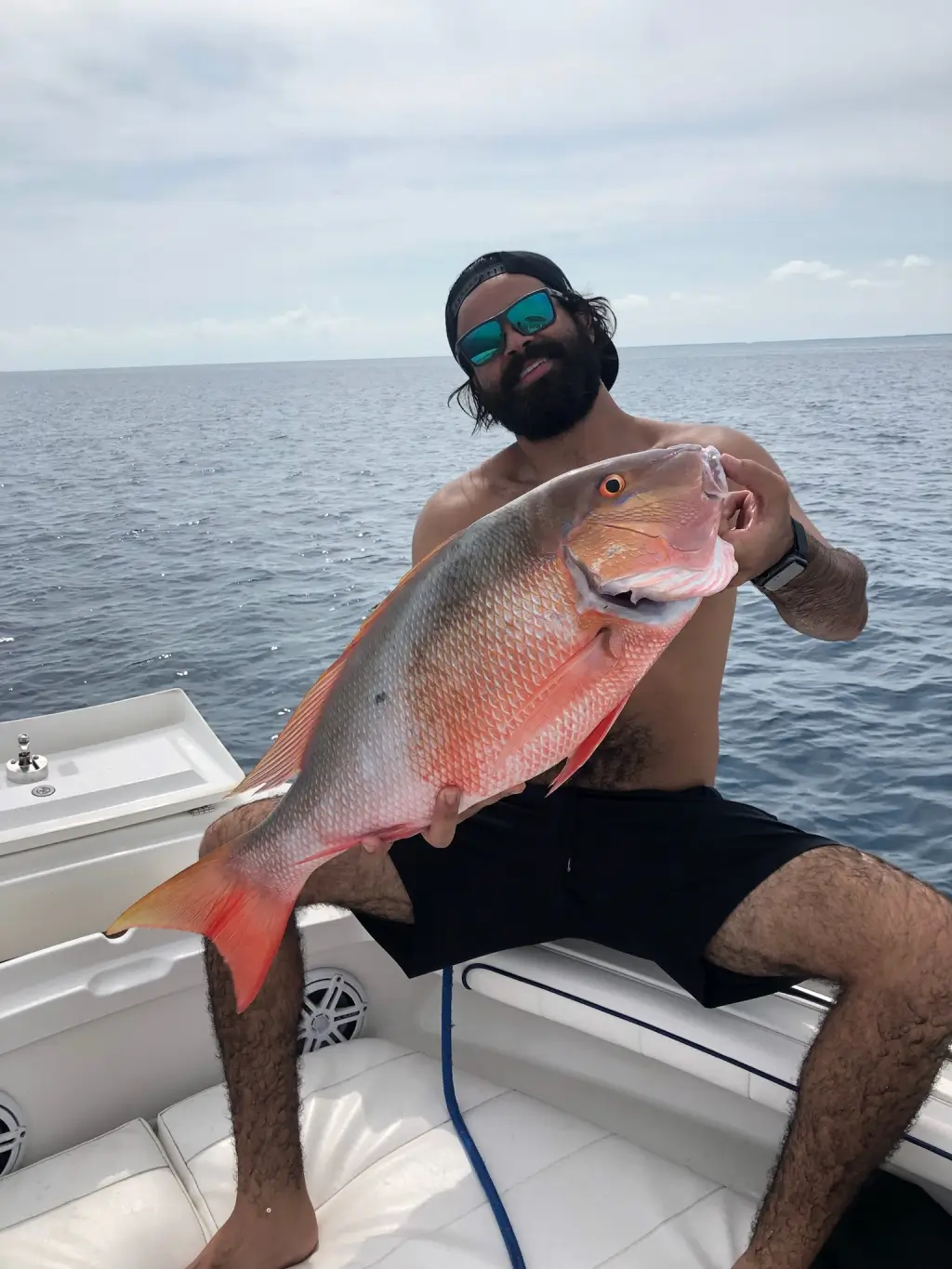
When Snapper Fishing in South Florida Starts Heating Up
August 3, 2026