



By using our website, you agree to the use of cookies as described in our Cookie Policy
Can You Catch Mahi in South Florida Without Deep Sea Experience?
Most anglers assume mahi-mahi are reserved for seasoned captains with decades under their belt. That's the myth, anyway. The reality? South Florida's waters don't require a résumé to fish them. You don't need years of offshore credentials to pull a mahi over the rail. You just need to understand where they swim, what draws them in, and how to set yourself up without pretending you're running a tournament rig.
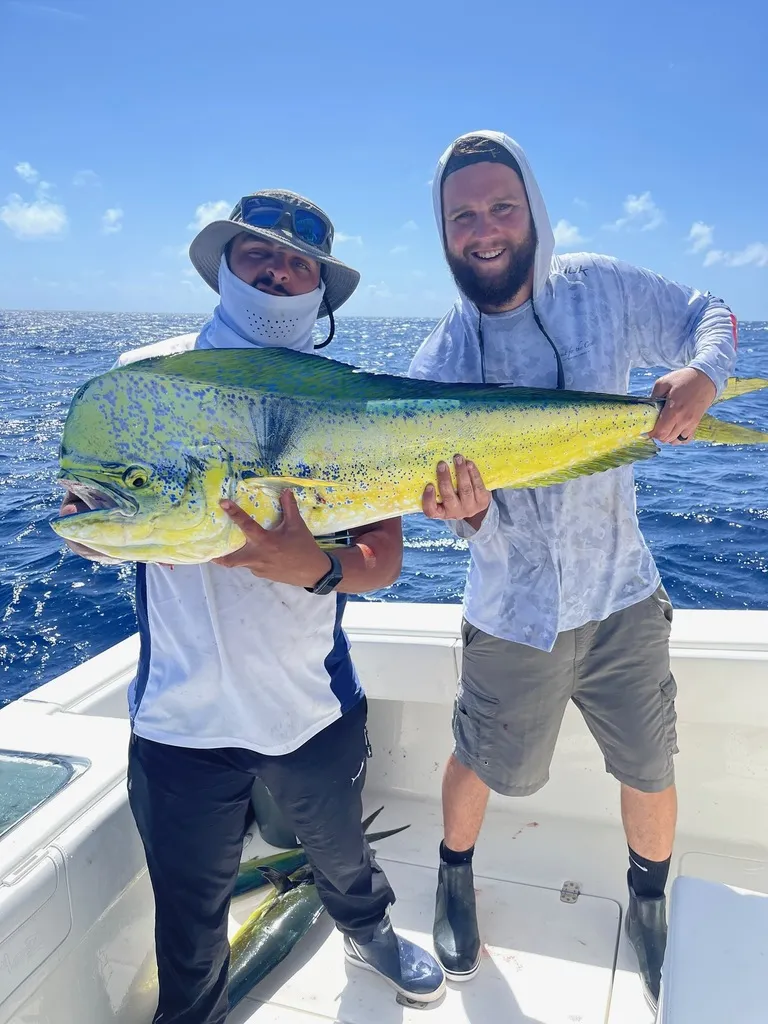
Mahi aren't hiding in some unreachable trench. They cruise structure, follow debris, and chase bait closer to shore than most people think. If you've got access to a boat — or even just the right captain — you're already in the game. The difference between success and a slow day comes down to preparation, not pedigree.
Where Mahi Actually Show Up
Mahi-mahi are pelagic hunters. They don't camp on reefs or hug the bottom like grouper. They roam open water, following temperature breaks, weed lines, and floating wreckage. In South Florida, that means the Gulf Stream and its edges during spring and summer. But it also means anything drifting offshore — pallets, logs, buoys, sargassum mats — can hold fish.
You don't have to run thirty miles to find them. Plenty of mahi get caught within sight of land when conditions line up. The key is recognizing what attracts them and being ready when you spot it. Birds working the surface? That's your signal. Floating debris? Worth a few casts. Current changes? Even better.
Your Best Bet Without a Captain's License
If you're new to offshore fishing, chartering a trip is the fastest route to landing mahi. A good captain knows the water, the weather, and the spots that produce. They'll rig your lines, position the boat, and coach you through the fight. When you're looking at options for a guided experience, consider how to choose the best Key Biscayne fishing charter to match your skill level and goals. You're not just paying for a ride — you're buying local knowledge and cutting your learning curve in half.
Party boats are another solid option. These larger vessels take groups out at a lower cost per person, and the crew handles most of the heavy lifting. You won't get one-on-one instruction, but you'll get time on the water and a fair shot at hooking up. It's a low-pressure way to test the offshore environment before committing to your own setup.
What You Need on Deck
Gear doesn't have to be complicated. A medium-heavy rod with a quality spinning or conventional reel will handle most mahi you'll encounter. Load it with 20 to 30-pound test line and keep a few leaders in your tackle box. Live bait works great — pilchards, ballyhoo, squid — but artificial lures like feathers, plugs, and soft plastics produce just as well when trolled at the right speed.
Here's what should be in your kit:
- Medium-heavy rod and reel combo rated for offshore use
- 20-30 lb monofilament or braided line
- Fluorocarbon leaders in the 30-50 lb range
- Assorted lures including trolling feathers and diving plugs
- Live or frozen bait depending on availability
Trolling Isn't Rocket Science
Trolling is the go-to method for mahi, and it's easier than most beginners expect. You're dragging bait or lures behind the boat at a steady pace, covering water until something bites. Speed matters — too fast and you'll blow past fish, too slow and your presentation looks lifeless. Most captains troll between four and eight knots, adjusting based on sea state and what the fish are doing.
When you spot a school, switch to casting. Mahi are aggressive feeders and they'll attack anything that moves. Pitch a bait or lure into the chaos and hold on. The fight is fast, visual, and often involves multiple jumps. Keep tension on the line and don't give them slack, or you'll lose them.
Staying Safe Means Staying Smart
Even nearshore trips require respect. Weather can shift fast in South Florida, and what starts as a calm morning can turn rough by afternoon. Check forecasts before you leave and don't push your limits if conditions look marginal. Always file a float plan with someone onshore and carry a VHF radio or charged cell phone in a waterproof case.
Here's what keeps you out of trouble:
- Life jackets for everyone on board, no exceptions
- VHF radio tuned to Channel 16
- Fully charged phone in a sealed, waterproof bag
- Flares and a whistle in case of emergency
- First aid kit stocked and accessible
Learning Curves Are Part of the Deal
Nobody nails it on the first trip. You'll miss bites, lose fish, and probably tangle a line or two. That's normal. The difference between a one-time attempt and a consistent angler is willingness to adjust. Pay attention to what works and what doesn't. Ask questions at the dock, swap notes with other fishermen, and don't assume you know everything after one good day.
South Florida's fishing community runs deep. Tackle shops, online forums, and marina regulars are solid resources if you're willing to listen. Most veterans will share intel if you approach them with humility instead of arrogance. Every outing builds your knowledge base, and the more you fish, the sharper your instincts become.
Timing Plays a Bigger Role Than Most Realize
Mahi migrate through South Florida waters seasonally. Spring and summer are peak months, when warmer water pushes schools closer to shore and bait concentrations explode. Fall can still produce, but the bite tapers as fish move farther offshore. Understanding best times for different types of fishing can help you plan your trips more strategically. Winter is hit or miss unless you're willing to run long distances.
Best times to target mahi in South Florida:
- April through June for peak nearshore activity
- July and August when weed lines hold steady
- Early mornings before the wind picks up
- Afternoons when current edges tighten
- Days following calm weather when debris accumulates
What Happens After the Hookup
Mahi fight hard but tire quickly. Once you've got one on, keep steady pressure and reel when you can. They'll jump, dive, and shake their heads trying to throw the hook. Don't horse them — let the rod and drag do the work. If you're serious about landing trophy-sized fish, familiarize yourself with techniques for catching trophy fish in Key Biscayne that can improve your hookup ratio. When they're alongside the boat, use a gaff or net depending on size. Handle them carefully and get them on ice fast if you're keeping them.
If you're releasing, minimize air exposure and get them back in the water quickly. Mahi recover well if handled properly, and catch-and-release helps maintain healthy populations for future trips.
Small Boats and Kayaks Can Play Too
You don't need a center console to catch mahi. Kayak anglers and small boat operators have been landing them for years, especially during peak season when fish push close to shore. The key is staying aware of your limits. Don't venture beyond safe return distance, and always monitor the weather. A five-mile paddle in calm water becomes a different story when wind and chop arrive.
Advantages of fishing smaller craft:
- Lower fuel costs and easier access to launch points
- Ability to fish quieter, shallower zones larger boats skip
- More intimate connection to the fight and environment
- Flexibility to explore debris fields and weed patches up close
- Less pressure from other anglers in crowded areas
You Don't Need a Trophy to Call It a Win
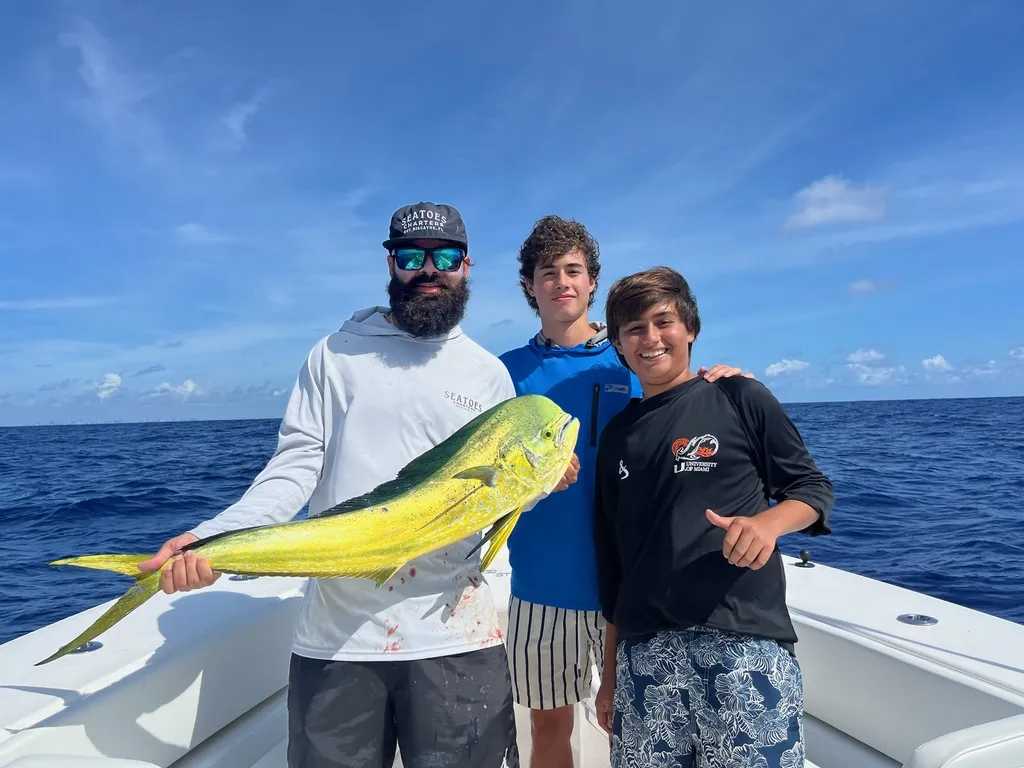
Catching mahi in South Florida without deep sea experience is absolutely doable. It's not about matching the pros or filling the cooler every trip. It's about understanding the environment, respecting the fish, and putting yourself in position. Charter a boat if you need guidance. Consider booking a specialized mahi run and gun trip designed specifically for targeting these fish efficiently. Hit a party boat if you want to learn the ropes. Launch your own rig if you're ready to explore. Either way, the fish are there — and they don't care how long you've been doing this.
Ready to Chase Mahi Together?
We know the thrill of hooking your first mahi and the satisfaction of a day well spent on South Florida’s waters. If you’re eager to get out there and want a crew that’s as passionate about fishing as you are, let’s make it happen. Give us a call at 305-962-4014 or book now to reserve your spot and start planning your next adventure with us.
‹ Back
Recent Posts
-
How Weather Changes Fishing Trips in South Florida by Season
September 28, 2026
-
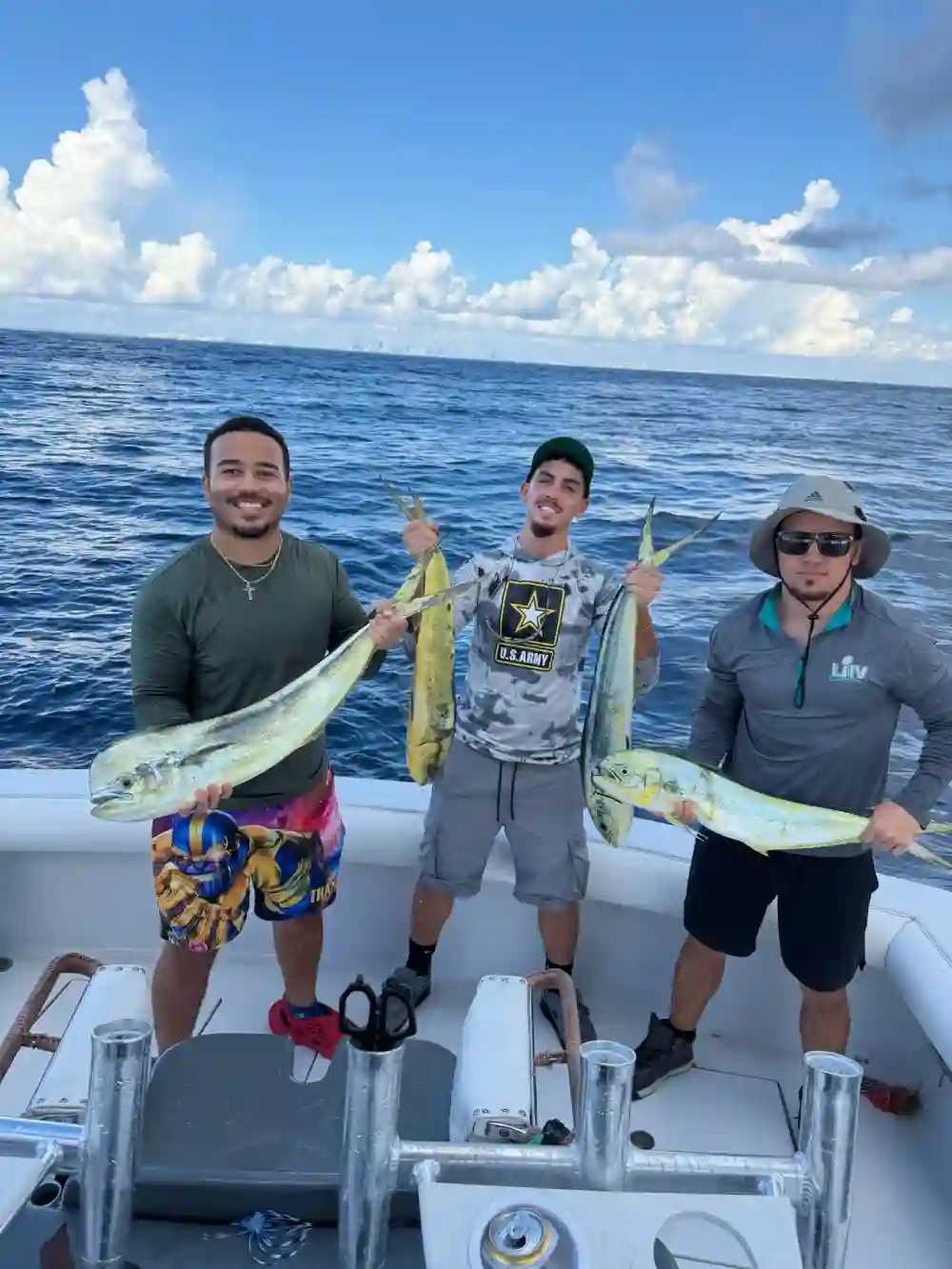
Can You Mix Reef Fishing & Mahi Fishing in South Florida?
September 14, 2026
-

-
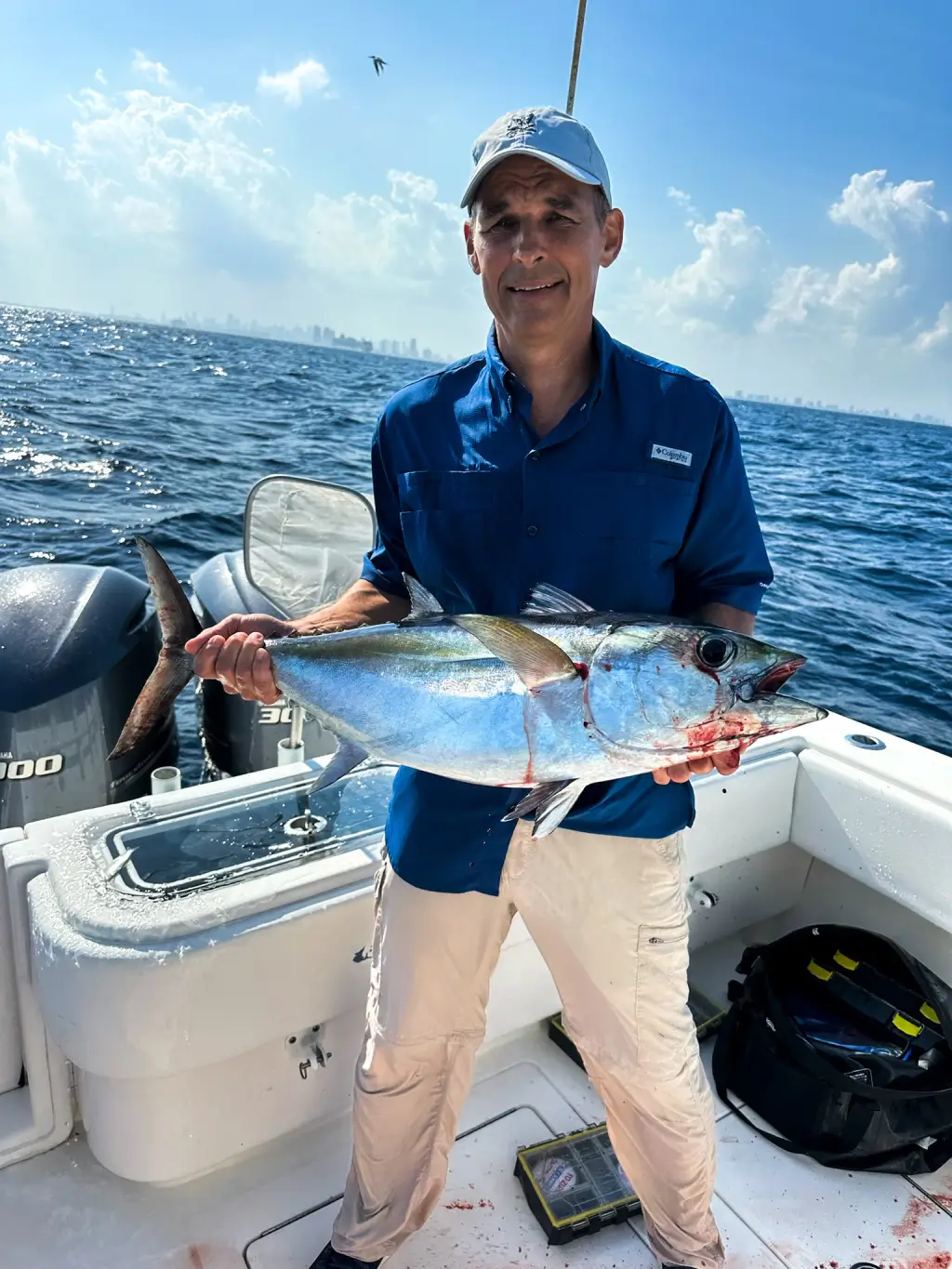
Is Tuna Fishing in South Florida Better in Spring or Summer?
August 17, 2026
-
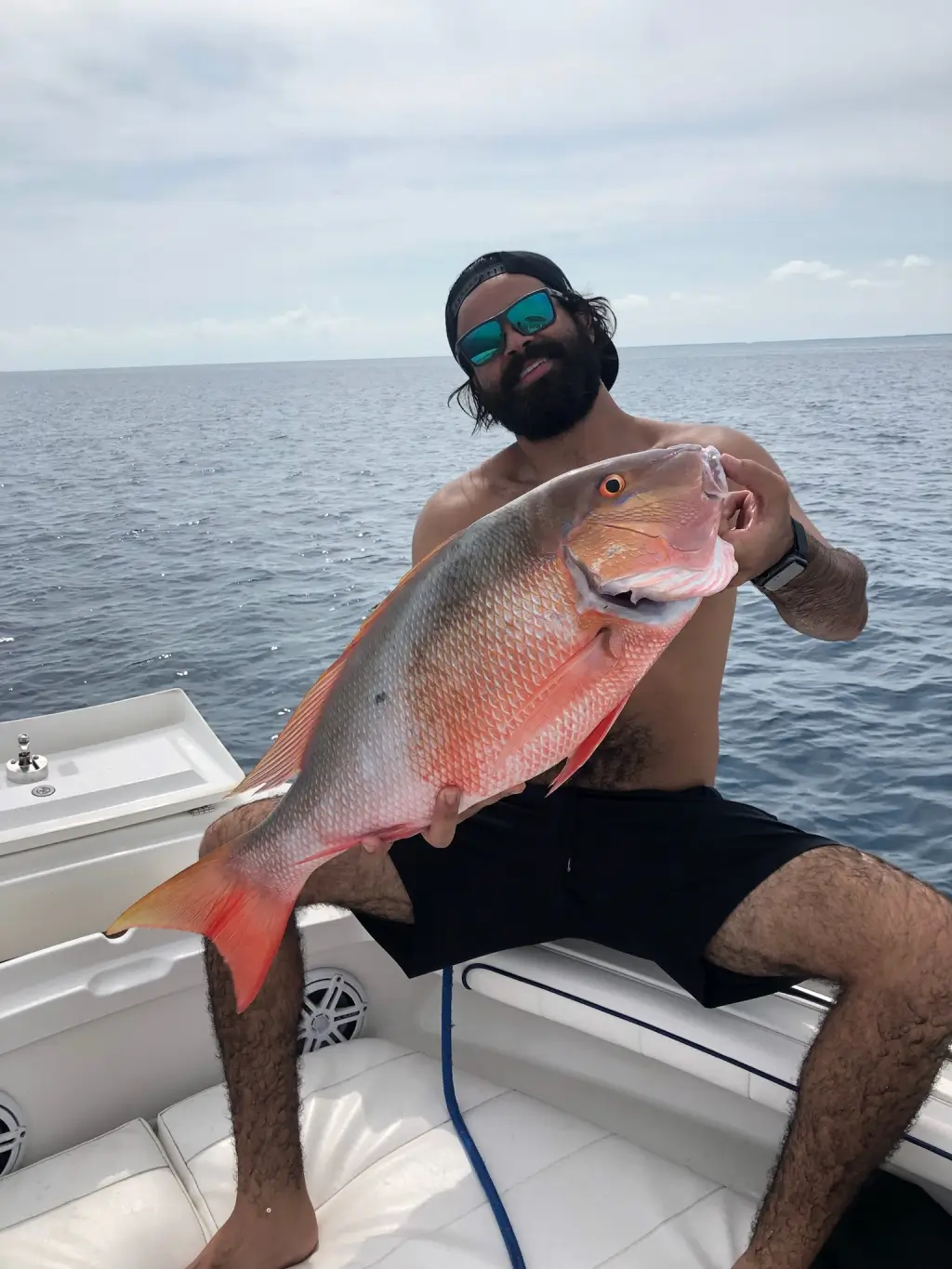
When Snapper Fishing in South Florida Starts Heating Up
August 3, 2026