



By using our website, you agree to the use of cookies as described in our Cookie Policy
Is Tuna Fishing in South Florida Better in Spring or Summer?
Most anglers treat seasonality like it's optional. Pick a date, throw some lines, hope for the best. But tuna don't care about your calendar—they respond to water temps, baitfish patterns, and current breaks. Spring and summer both deliver fish, but they deliver different experiences. And if you're burning fuel offshore without understanding the difference, you're working twice as hard for half the reward.
So here's the reality. Spring offers accessibility and action near the coast. Summer pushes you deeper but rewards the effort with bigger targets. Neither season is a guarantee, but both have windows where everything lines up. The trick is knowing which factors matter most for the way you fish—and adjusting your tactics before you leave the dock.
What Swims These Waters
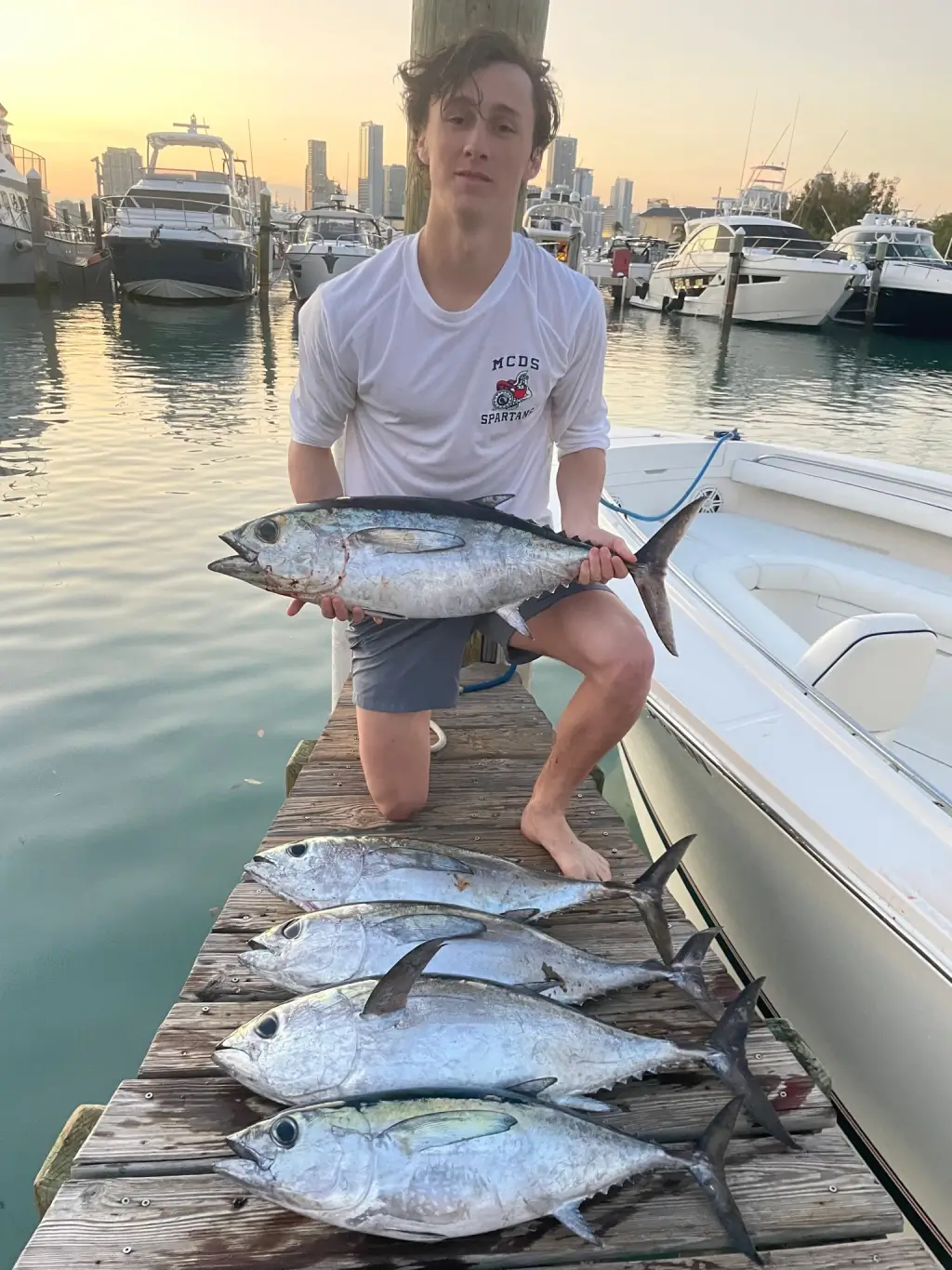
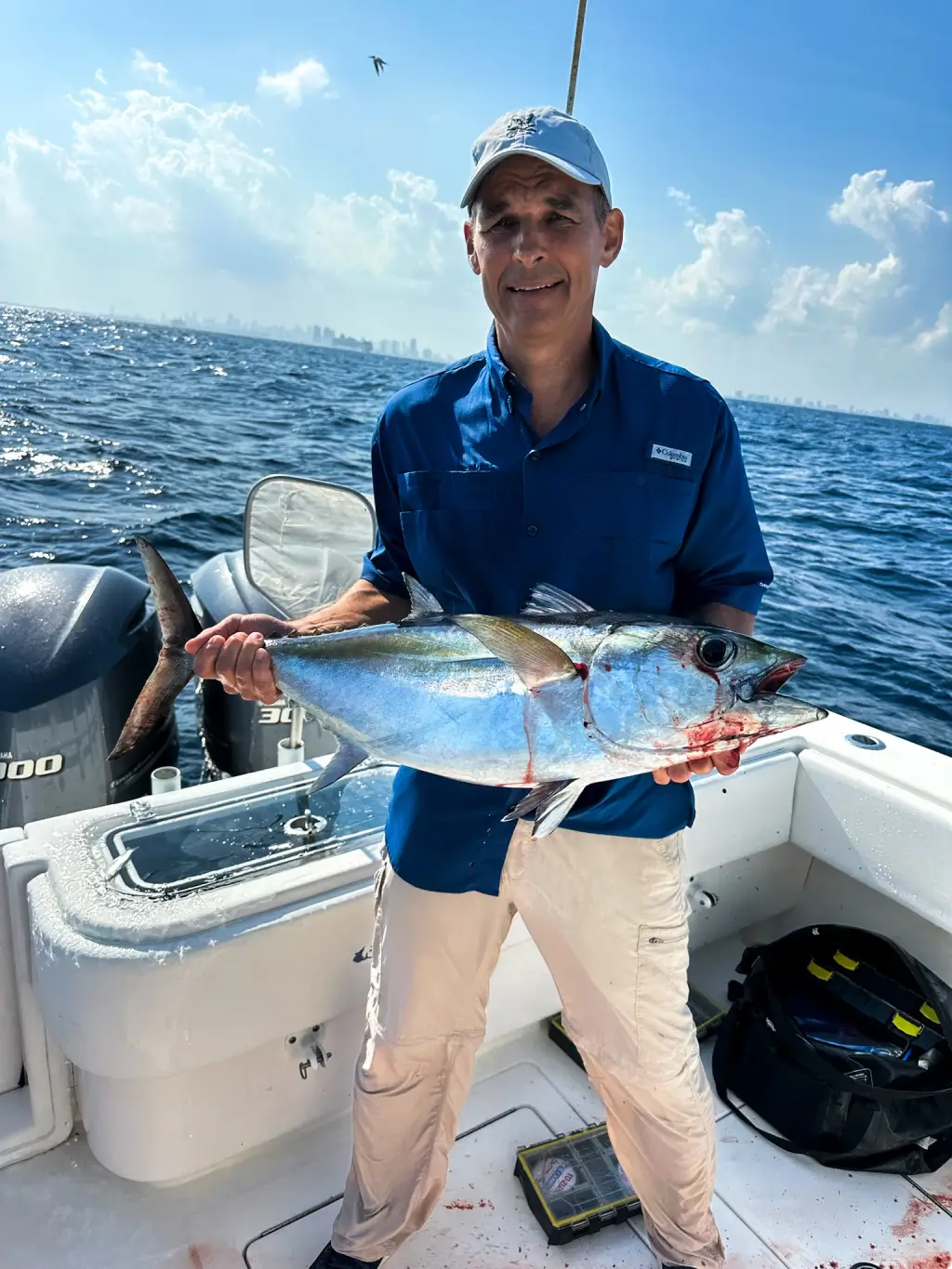
South Florida holds multiple tuna species, but blackfin dominate the recreational scene. They're reliable, aggressive, and within range of most boats. Yellowfin show up farther out, especially when conditions align offshore. Skipjack and bluefin make appearances too, though they're less predictable and harder to target consistently.
Blackfin stay closer to structure and temperature breaks. Yellowfin cruise blue water and follow thermoclines into the depths. Knowing which species you're chasing changes everything—from your tackle to your fuel budget. Most anglers start with blackfin and work their way out as confidence and capability grow.
Why Spring Draws the Crowds
March through May marks a shift in the water column. Temps climb just enough to wake up the food chain, and baitfish flood the nearshore zones. Blackfin tuna follow that buffet right into casting range, sometimes within a few miles of the coast. The bite can turn fast and furious when schools move through, and hookups come in bunches.
Weather plays nice during spring too. Humidity stays manageable, afternoons don't cook you off the deck, and storm systems are less frequent than they'll be by July. Tourist traffic eases after winter, which means fewer boats competing for the same drift lines and kite spreads. It's a sweet spot for anglers who want results without the grind.
- Baitfish schools are dense and active
- Blackfin tuna move inshore and stay aggressive
- Weather conditions remain stable and comfortable
- Fishing pressure drops compared to peak winter months
- Shorter runs save fuel and maximize time on the water
Summer Pushes You Offshore
Once June rolls in, surface temps spike and tuna adjust accordingly. Blackfin slide into deeper, cooler layers or push farther from shore. You'll still find them, but the easy bites dry up. Summer forces you to commit—longer runs, heavier fuel burns, and more time spent searching instead of fighting fish.
But that's also when yellowfin become a legitimate target. The Gulf Stream and offshore ledges hold bigger fish in summer, and if you've got the range and the gear, trophy-class tuna are on the table. Daylight stretches longer too, giving you more hours to make the trek worthwhile. Just don't underestimate the heat or the afternoon storms that build without warning.
- Yellowfin tuna become more accessible offshore
- Blackfin tuna move deeper and require more effort to locate
- Longer daylight hours extend fishing windows
- Surface temperatures push fish into cooler thermoclines
- Afternoon thunderstorms demand constant weather monitoring
The Tradeoffs You Can't Ignore
Spring delivers consistency. You'll catch fish without burning through your budget or risking your comfort. It's the season for anglers who want action over bragging rights, and there's nothing wrong with that approach. Most trips end with a cooler full of blackfin and plenty of stories without the stress of navigating squalls or running 40 miles offshore.
Summer demands more but offers bigger payoffs. If landing a yellowfin is on your bucket list, this is when the odds improve. Just know you're signing up for heat, humidity, and the real possibility of cutting a trip short when storms roll in. Hurricane season overlaps entirely with summer fishing, which adds another layer of risk to every outing.
- Spring favors near-shore fishing with consistent blackfin action
- Summer requires offshore commitment for yellowfin opportunities
- Weather risks increase significantly from June onward
- Fuel and time investments grow during summer months
- Trophy potential peaks offshore when conditions align
Tactics That Separate the Trips
Water temperature drives everything. In spring, look for breaks between 70 and 76 degrees where baitfish concentrate. Tuna stack up along those edges and feed aggressively. Summer fishing means scanning for cooler pockets in the 74 to 78 range, often 20 or 30 fathoms down. A quality fish finder isn't optional if you're serious about summer success.
Bird activity points you toward feeding zones, especially when tuna are pushing bait to the surface. In spring, those feeding frenzies happen closer and more often. Summer requires patience and covering more water, but when you find the bite, it's usually worth the hunt. Timing matters too—early mornings and late afternoons stay productive, but midday summer heat slows everything down.
- Track temperature breaks and thermoclines with reliable electronics
- Follow diving birds to locate active feeding zones
- Fish early and late to avoid peak heat and maximize strikes
- Adjust depth based on seasonal water column changes
- Match your tackle weight to target species and conditions
Choosing Your Window
If you're new to South Florida tuna fishing or working with a smaller boat, spring gives you the best shot at consistent success. You'll spend less time searching, less money on fuel, and more time with bent rods. The learning curve is gentler, and the conditions won't punish mistakes as harshly.
Experienced anglers chasing size should lean into summer. Yellowfin justify the effort when everything clicks, and the challenge adds to the reward. Just don't ignore the weather or push your limits when storms threaten. The fish will be there tomorrow, but a bad decision offshore won't give you a second chance.
Preparation Beats Luck Every Time
Tuna fishing in South Florida rewards the anglers who respect the variables. Spring and summer both produce, but they demand different approaches and different expectations. Know what you're chasing, plan for the conditions, and adjust your strategy based on what the water's telling you. The fish don't care which season you prefer—they only care about temperature, bait, and opportunity. Understanding best times of year for different fishing types helps you target the right species at the right time. If you're looking to explore best fishing spots in Key Biscayne, both seasons offer unique opportunities. Learning techniques for catching trophy fish can make the difference between a good trip and a great one. When you're ready to experience it yourself, check out our trips or explore our mahi run and gun option for fast-paced action.
Let’s Get You on the Water
We know every angler wants their shot at the best tuna bite South Florida has to offer. Whether you’re after spring blackfin or chasing summer yellowfin, we’re here to help you make the most of your time offshore. Let’s plan your next trip together—call us at 305-962-4014 or book now and we’ll get you dialed in for the season ahead.
‹ Back
Recent Posts
-
How Weather Changes Fishing Trips in South Florida by Season
September 28, 2026
-
Can You Mix Reef Fishing & Mahi Fishing in South Florida?
September 14, 2026
-

-
Is Tuna Fishing in South Florida Better in Spring or Summer?
August 17, 2026
-
When Snapper Fishing in South Florida Starts Heating Up
August 3, 2026