
By using our website, you agree to the use of cookies as described in our Cookie Policy
When Snapper Fishing in South Florida Starts Heating Up
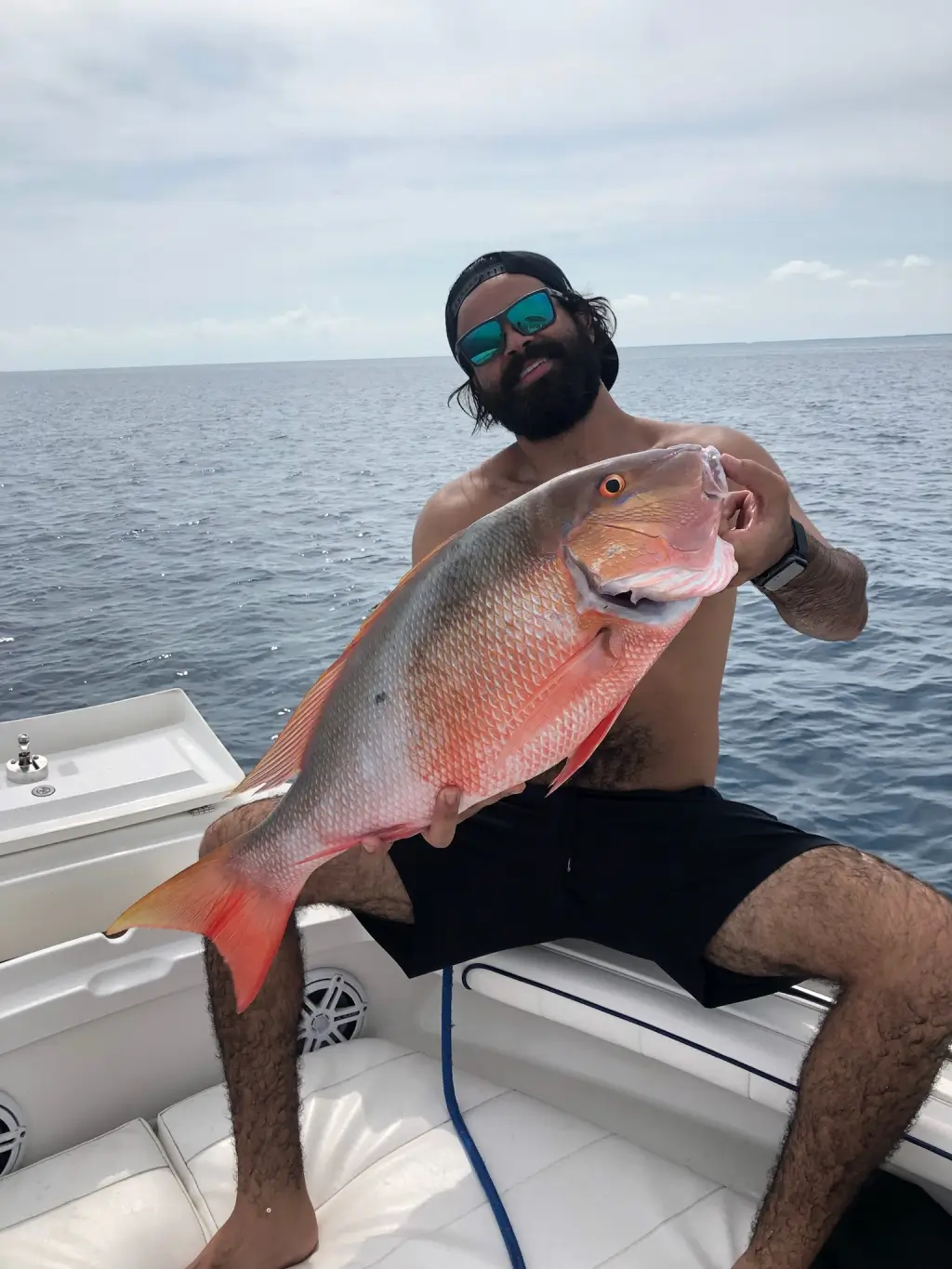
Most anglers think snapper season is just about showing up with bait and hoping for a bite. Drop a line, wait around, maybe land something decent. But the fish don't care about your schedule — and if you don't understand when and why they move, you're fishing blind. Snapper aren't random. They follow patterns. Water temps shift, baitfish show up, and suddenly the reefs are crawling with fish that weren't there two weeks ago.
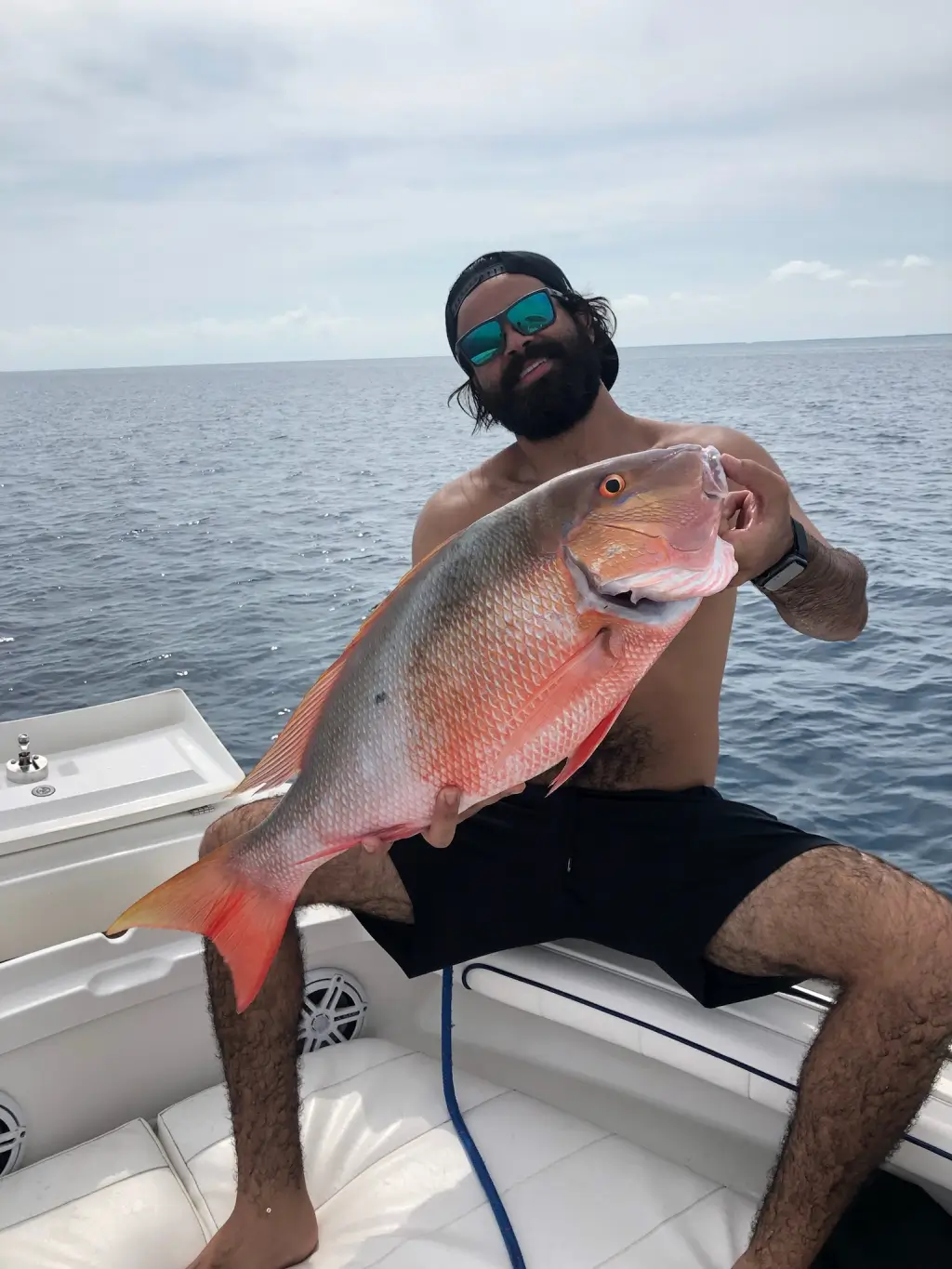
So here's what matters. If you're serious about snapper — mutton, mangrove, yellowtail, whatever you're chasing — you need to know when the bite actually flips on. Not just "sometime in summer." We're talking about the stretch where conditions align and the fish get aggressive. That's when your time on the water pays off. That's when the coolers get heavy.
Late Spring Through Summer Is When It Happens
Snapper fishing runs year-round in South Florida. But there's a window where everything shifts. Late spring through early fall — roughly May to September — is when the action genuinely heats up. Water temperatures climb into the low 80s, spawning kicks in, and snapper start feeding hard. They're not hiding deep or scattered thin. They're stacked up, moving shallow, and hunting.
This isn't folklore. It's biology. Warmer water means more baitfish. More baitfish means snapper congregate around structure — reefs, wrecks, channels, ledges. Mangrove snapper cruise the shallows. Yellowtail swarm the patch reefs. Mutton snapper push onto deeper ledges but still within range. The fish are there, and they're eating.
Behavior Changes When the Water Warms
Snapper don't just tolerate warm water. They thrive in it. Once temps rise and stay consistent, their metabolism ramps up. They feed more often, hunt more aggressively, and school tighter. That makes them easier to target — if you know where to look.
Night fishing becomes a serious play during summer. When the sun drops and the water cools a few degrees, snapper go into overdrive. Yellowtail especially. A good chum line after dark can turn a quiet evening into nonstop action. Light tackle, fresh bait, and a little patience — that's all it takes. The fish are already there. You just need to get in front of them.
Where to Find Them When They're Feeding
South Florida offers more snapper habitat than most anglers will fish in a lifetime. The Keys, Miami, Fort Lauderdale, Palm Beach — every stretch of coast has reefs, wrecks, and structure holding fish. Patch reefs in 30 to 60 feet are prime real estate during peak season. Deeper ledges and artificial reefs pull mutton and lane snapper. Mangroves and bridges? Crawling with mangrove snapper, especially during tidal movement.
You don't need a big boat to get in on it. Shore anglers hit jetties, piers, and inlet walls with solid results. Night fishing from a bridge with live shrimp can be just as productive as drifting a reef offshore. Location matters, but understanding structure and timing matters more. Fish where the food is. That's where snapper stack up.
What Works When They're Biting
Bait and technique aren't complicated, but they do matter. Live pilchards, threadfins, and shrimp are top choices. Fresh cut bait works too, especially for mangrove and mutton snapper. Chumming pulls yellowtail in fast — sometimes within minutes. A steady stream of ground bait keeps them around and competing for your hook.
Tackle should match the conditions. Snapper have sharp eyes and quick reflexes. Heavy line and clunky rigs spook them, especially in clear water. A knocker rig with fluorocarbon leader and a small circle hook is clean and effective. Jigs tipped with bait work great for active fish. Keep it simple. Let the bait do the work. Don't overthink it.
- Live pilchards and threadfins for active fish
- Fresh shrimp for mangrove snapper around structure
- Cut bait for mutton and larger species on the bottom
- Chumming to pull in yellowtail schools quickly
- Fluorocarbon leaders to avoid spooking fish in clear water
Regulations You Can't Ignore
Snapper fishing in South Florida comes with rules. Size limits, bag limits, closed seasons — they vary by species and zone. Mangrove snapper have a 10-inch minimum in most areas. Mutton snapper sit at 18 inches with a tighter bag limit. Yellowtail snapper have their own set of rules, and some areas have additional restrictions depending on whether you're in state or federal waters.
These aren't suggestions. FWC enforcement is active, and penalties for violations can be steep. Check the regs before you go. Measure your fish. Know your bag limits. If it's undersized or out of season, it goes back. Conservation isn't just about compliance — it's about keeping the fishery strong so the bite stays hot year after year.
- Mangrove snapper minimum is 10 inches in most zones
- Mutton snapper require 18 inches and stricter bag limits
- Yellowtail snapper have separate size and possession rules
- State and federal waters have different regulations
- Always verify current rules through FWC before fishing
Timing Tides and Light Conditions
Snapper bite better during certain tidal phases and light conditions. Moving water is almost always better than slack tide. Incoming tides push baitfish onto structure. Outgoing tides pull them through channels and cuts. Both create feeding opportunities. Slack tide? Fish get lazy. The bite slows down.
Low light is your friend. Early morning, late afternoon, and night are prime windows. Bright midday sun pushes snapper deeper or tighter to cover. They're still there, but they're pickier. Adjust your approach. Go lighter on the leader. Drop baits closer to structure. Or just wait until the sun drops and fish when they're more willing.
- Moving tides trigger feeding activity
- Incoming tides push bait onto reefs and structure
- Outgoing tides create ambush points in channels
- Slack tide typically slows the bite
- Low light periods produce more aggressive strikes
Gear That Handles the Fight
Snapper aren't the biggest fish in the ocean, but they fight hard and dive for cover fast. Medium-light spinning gear or conventional setups handle most situations. Braided main line with a fluorocarbon leader gives you strength and invisibility. Circle hooks reduce gut hooks and make catch-and-release cleaner. A quality rod holder or fighting belt helps if you're targeting bigger mutton on heavier tackle.
Don't skimp on your tackle. Snapper will test your knots, your drag, and your patience. If your gear isn't up to the task, you'll lose fish. If it's too heavy, you'll spook them before they bite. Find the balance. Match your setup to the species and conditions. It's not about having the most expensive gear — it's about having the right gear.
- Medium-light spinning or conventional rods for versatility
- Braided main line with fluorocarbon leader for strength and stealth
- Circle hooks for cleaner hooksets and easier releases
- Quality rod holders for managing multiple lines
- Sharp fillet knives and coolers for keeping your catch fresh
Common Mistakes That Cost Fish
Anglers blow snapper trips in predictable ways. Using bait that's too old or too big. Setting the hook too early on a circle hook. Fishing slack tide and wondering why nothing's biting. Ignoring chum when yellowtail are the target. These aren't small mistakes — they're the difference between a full cooler and an empty one.
Another big one? Fishing the same spot over and over without adjusting. Snapper move. Conditions change. If the bite dies, don't just sit there. Drift to a new wreck. Try a different depth. Switch baits. Adaptability wins. Stubbornness doesn't.
- Using stale or oversized bait that fish ignore
- Setting the hook too hard or too early with circle hooks
- Fishing during slack tide and expecting action
- Skipping chum when targeting yellowtail snapper
- Staying put when the bite dies instead of moving or adjusting
Snapper Season Rewards Preparation
Snapper fishing in South Florida doesn't require luck. It requires timing, technique, and a little bit of homework. When the water heats up and the fish move in, the anglers who understand the patterns are the ones filling coolers. The ones who show up unprepared? They're just hoping. And hope doesn't catch fish.
Get your gear right. Learn the regs. Watch the tides. Fish the best fishing spots at the right times. If you're targeting top fish species in South Florida, understanding the best times of year for fishing makes all the difference. Techniques for catching trophy fish help you target larger specimens effectively. When choosing the best fishing charter, working with experienced guides who know the patterns ensures you're ready when the fish start biting. For families looking to get in on the action, check out tips for fishing with kids to make the experience enjoyable for all ages.
Let’s Get You on the Snapper Bite
We know the thrill of a hot snapper bite and the satisfaction of a cooler full of fish. If you’re ready to make the most of South Florida’s peak season, let’s plan your next trip together. Give us a call at 305-962-4014 and let’s talk about your goals—or if you’re set to lock in your date, book now and we’ll handle the rest. Let’s get you on the water when the action is at its best.
‹ Back
Recent Posts
-
How Weather Changes Fishing Trips in South Florida by Season
September 28, 2026
-
Can You Mix Reef Fishing & Mahi Fishing in South Florida?
September 14, 2026
-

-
Is Tuna Fishing in South Florida Better in Spring or Summer?
August 17, 2026
-
When Snapper Fishing in South Florida Starts Heating Up
August 3, 2026