



By using our website, you agree to the use of cookies as described in our Cookie Policy
How Weather Changes Fishing Trips in South Florida by Season
Most anglers think weather is just something to check before they leave the dock. Sun or clouds. Wind or calm. But the reality is deeper than that — and if you're not paying attention, you're missing half the game. South Florida doesn't do traditional seasons. It does heat, rain, wind patterns, and migrations that shift by the month. Every change in the atmosphere rewrites what's biting, where to find it, and how to fish for it.
So here's the deal. If you're serious about putting fish in the boat, you need to stop treating the calendar like a suggestion. Every season brings different water temps, different currents, and different species pushing through the flats and reefs. Learn the patterns, adjust your approach, and you'll be the one catching while everyone else is complaining about conditions.
Winter Brings Clarity and Cold Fronts
December through February doesn't freeze you out, but it does cool things down. Air temps swing from the low 60s to mid-70s, and water temps follow suit. Cold fronts roll through fast — sometimes overnight — and the wind can whip hard for a day or two before settling back down. The upside? Water clarity spikes. Less rain means less runoff, and that makes sight fishing a real option, especially in the backcountry and shallow bays.
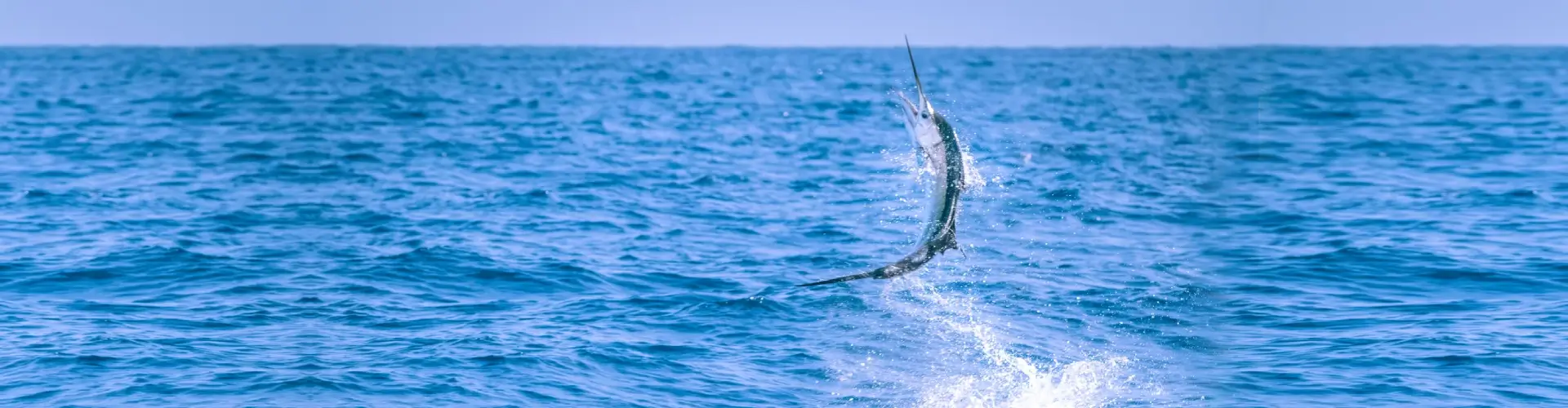
Fish react to the drop in temp by seeking warmth. They hole up in deeper channels or cluster near power plant outflows and warm-water pockets. Snook, redfish, and seatrout slow their metabolism but don't disappear. You just have to hunt smarter. Offshore, sailfish migrate south, chasing bait pushed down by cooler currents. Calm mornings are gold for stalking fish visually. Windy days? Head for protected coves and mangrove shorelines where the chop won't ruin your presentation.
Spring Warms the Water and Wakes Everything Up
March through May is transition season. Water temps climb into the 70s and low 80s, daylight stretches longer, and the whole ecosystem shifts gears. This is when tarpon start their legendary migration, flooding bridges, channels, and coastal flats. Anglers travel thousands of miles just to be here when it happens. The fishing isn't just good — it's world-class.
Spring weather swings unpredictable. One day you're in shorts under blue skies, the next you're dodging squalls and gusts. But those rain showers stir up baitfish, and predators follow the chaos. Inshore flats come alive with snook and reds cruising for easy meals. Offshore, mahi and kings show up in numbers. You need to stay flexible. Overcast skies? Throw topwater. Bright sun? Fish deeper structure or work the shadows along mangrove edges.
Summer Cranks the Heat and the Storms
June through September is when South Florida earns its reputation. Temps push into the 90s, humidity hovers near unbearable, and afternoon thunderstorms roll in like clockwork. Water temps hit the mid-80s, and the threat of tropical systems is real. You can't ignore the forecast during these months — storms build fast and hit hard.
But summer isn't a write-off. It's a timing game. Early mornings and late evenings are prime. The air cools just enough, fish feed aggressively, and you can avoid the midday heat and lightning risk. Inshore, snook and tarpon stack up near river mouths where fresh runoff pulls in baitfish. Offshore, the warm water brings mahi, wahoo, and blackfin tuna in heavy numbers. Just be ready to cut trips short if the sky goes dark. No fish is worth getting caught in a squall with nowhere to hide.
- Launch at dawn and be off the water by noon when possible
- Track radar apps in real time, not just the morning forecast
- Focus on passes, inlets, and current breaks where bait concentrates
- Keep live bait fresh in cooler water — heat kills it fast
- Wear sun protection like your skin depends on it, because it does
Fall Cools Down and Fires Up the Bite
October and November deliver what most anglers consider peak season. Temps drop back into the comfortable range, humidity fades, and storms become rare. Water temps ease down gradually, triggering migrations both inshore and offshore. Fish that scattered during the summer heat start to school up and feed hard before winter arrives.
The mullet run kicks off inshore chaos. Massive schools pour down the coast, and every predator in the area shows up to feast. Snook, tarpon, jacks — they're all in the mix, slashing through bait with reckless abandon. Offshore, kingfish, sailfish, and wahoo follow their own bait migrations along the reefs and drop-offs. Weather stays stable most days, though an early cold front can still surprise you. Fall isn't just good fishing — it's the season where everything aligns.
- Target mullet schools with live bait or flashy lures that mimic the chaos
- Work the edges of bait pods, not the center where fish are already spooked
- Offshore, troll the reef line and temperature breaks for pelagics
- Early mornings are still best, but midday action picks up as temps drop
- Watch for diving birds — they'll show you where the feeding frenzy is happening
What to Bring No Matter the Season
Gear and preparation shift with the weather, but some essentials never change. You need sun protection, hydration, and a way to monitor conditions in real time. South Florida weather doesn't wait for you to catch up. One minute you're casting in perfect conditions, the next you're racing a storm back to the ramp.
- Polarized sunglasses to spot fish and cut glare in all seasons
- Rain gear that actually works, not the flimsy stuff that rips in wind
- A handheld GPS or phone with offline maps in case cell service drops
- Extra tackle suited to current conditions — topwater for calm, jigs for wind
- First aid kit and emergency contacts stored where you can grab them fast
Reading Conditions Beats Luck Every Time
Water temp, wind direction, barometric pressure — these aren't just stats. They're signals. Fish react to shifts before you even notice them. A two-degree drop in water temp sends snook into deeper pockets. A rising barometer after a front passes triggers a feeding window. Wind against the tide stacks bait in predictable zones. The anglers who catch fish year-round aren't guessing. They're reading the water and adjusting on the fly.
- Log your trips with date, conditions, and what you caught or missed
- Compare notes with other anglers who fish the same waters regularly
- Use apps that track tide charts, moon phases, and wind forecasts together
- Don't ignore gut instinct — if a spot feels off, move
- Experiment with unconventional tactics when standard approaches fail
Timing Your Season Around the Calendar
South Florida fishing doesn't shut down. It rotates. Winter brings sailfish and clear-water sight fishing. Spring delivers tarpon and aggressive inshore action. Summer means early starts and dodging storms. Fall stacks up mullet runs and reef action. Each season has a window where top fish species in South Florida are at their peak, and if you're chasing a specific fish, timing matters more than skill.
Book your trips around migrations, not random weekends. If you want tarpon, block out April and May. Chasing sailfish? December through March is your range. Want consistent inshore action without the weather drama? Fall is the safest bet. The calendar won't guarantee success, but it stacks the odds in your favor when you show up at the right time for the right fish.
- Plan tarpon trips for late spring when migration peaks
- Target sailfish during winter months when they're most active offshore
- Hit the flats in fall during mullet runs for explosive inshore action
- Avoid mid-summer unless you're prepared for heat and sudden storms
- Book guides or charters during peak seasons well in advance
Weather Rewrites the Rules Every Day
No two trips fish the same, even on the same flat or reef. Wind shifts, temperatures swing, and currents change direction. The captain who caught limits yesterday might blank today if conditions flipped overnight. That's not failure — that's fishing in South Florida. The anglers who thrive here aren't the ones with the fanciest gear. They're the ones who adapt fast, read the water, and don't get locked into a single game plan when nature rewrites the script.
Seasonal patterns give you a framework, but real success comes from reacting to what's happening right now. The weather isn't your enemy. It's the variable that separates those who catch fish from those who just talk about it. Learn to work with it, not against it, and the best fishing spots in Key Biscayne will reward you every time you hit the water. For those looking for an unforgettable experience, consider booking mahi run and gun trips, offshore fishing charters, or even a relaxing sunset cruise to cap off your day on the water.
Let’s Make Your Next Fishing Trip Unforgettable
We know how much the right timing and local knowledge matter when it comes to fishing South Florida’s ever-changing waters. If you’re ready to maximize your chances and enjoy a seamless day on the water, let’s plan your next adventure together. Give us a call at 305-962-4014 or book now to secure your spot and fish smarter, not harder.
‹ Back
Recent Posts
-
How Weather Changes Fishing Trips in South Florida by Season
September 28, 2026
-
Can You Mix Reef Fishing & Mahi Fishing in South Florida?
September 14, 2026
-

-
Is Tuna Fishing in South Florida Better in Spring or Summer?
August 17, 2026
-
When Snapper Fishing in South Florida Starts Heating Up
August 3, 2026